
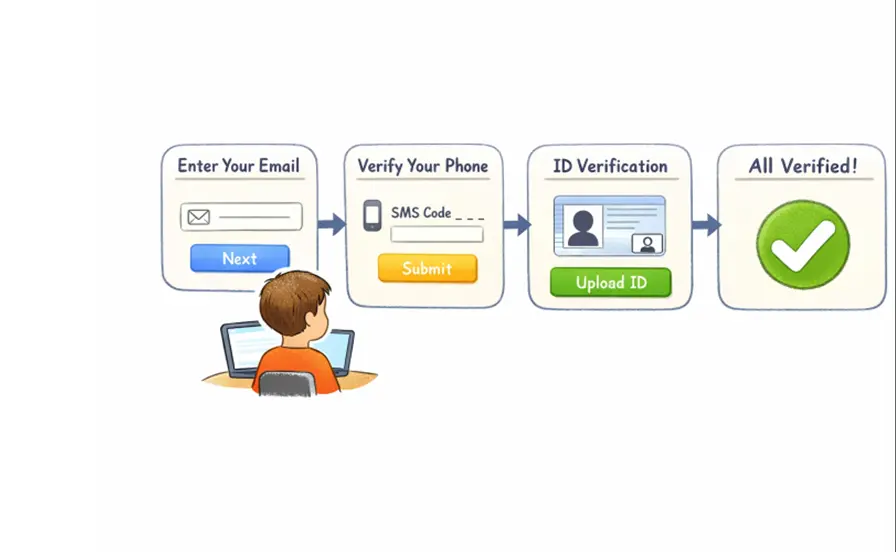
Efficient onboarding Drop processes are critical for digital products, yet verification steps can become major friction points that lead users to abandon the journey. Ensuring a seamless verification experience is particularly vital for industries with regulatory requirements and heightened security needs. Research has shown that overly complex verification steps push users to drop out, affecting both acquisition and long-term engagement. One study found that up to a quarter of users may exit during verification due to tedious processes or unclear requirements, highlighting the significant stakes. Solutions range from minimal data entry to clearer instructions, optimized user flows, and referencing best practices from the OTP verification UI design website.
By addressing verification friction, companies not only protect their platforms but also protect their growth, as smoother experiences lead to higher completion rates. This is especially valuable in competitive sectors such as fintech, healthcare, and e-commerce, where every additional hurdle can lead to missed conversions. User-centric design for verification can drastically decrease abandonment, set a positive tone for new users, and reinforce brand reliability from the first interaction.
Streamlining the Verification Process
Streamlining verification means reducing unnecessary steps, optimizing information presentation, and minimizing time investment. A behavior-led design approach recognizes the emotional states users experience throughout registration and verification. Creating appropriate micro-successes, small moments where the user feels progress, is crucial. Simplification not only helps users feel in control but also dramatically cuts down abandonment rates.
Another way to simplify the journey is through autofill and smart defaults, which limit the amount of typing required. Making documentation upload intuitive and providing clear checklists of remaining steps helps guide users efficiently from start to finish.
Implementing Progressive Disclosure
Progressive disclosure means revealing information or requests gradually, aligning with the user’s pace and needs. Instead of presenting a long, overwhelming form or demanding all documentation upfront, break the process into small, clearly marked stages. Using clear step indicators and a simple layout for each stage fosters a sense of progress, keeping users engaged without overwhelming them. Each verification element should appear only when contextually relevant, dramatically reducing hesitation and confusion.
Usability studies from Smashing Magazine show that progressive disclosure is particularly effective in multi-stage onboarding or compliance flows, making the experience approachable and manageable for users.
Enhancing User Feedback and Support
Real-time feedback is a powerful tool in verification UX. Providing instant validation when a user completes a field or submits an item such as “Email confirmed” or an immediate inline error for a mistyped phone number- reduces the risk of mistakes slipping through and helps users continue with confidence. If a user makes an error or submits an unexpected file type during KYC or similar processes, prompt, friendly error messaging should offer specific solutions. Embedding live chat or help widgets into the verification flow ensures users can get quick assistance if they are confused or encounter an obstacle, helping turn a potential drop-off into a successful completion.
Optimizing for Mobile Experiences
With many users completing registration from their phones, verification must be mobile-optimized. Mobile-responsive layouts, touch-friendly UI elements, and clear, concise instructions help prevent users from abandoning verification on small screens. Features like document scanning, camera integration for ID verification, and one-tap progress through simple steps all enhance mobile usability. Reducing the amount of typing required is vital, so supporting autofill and leveraging device capabilities go a long way toward minimizing friction.
Building Trust Through Transparency
Transparency about why specific data is needed and how it will be used can alleviate user concerns. This builds trust; users are much more willing to engage in verification when they understand the rationale and security behind it. Clear links to privacy policies, statements on data encryption, and visual cues about the safety of the process foster confidence. Ensuring that third-party systems or vendors used in verification are reputable and that this information is made known to users can further reassure them.
Testing and Iterating for Continuous Improvement
User testing provides invaluable insight into what works and what causes confusion during verification. Regularly monitoring drop-off analytics, running A/B tests on copy or flow changes, and gathering real user feedback will pinpoint friction points. Acting quickly on these insights and continuously refining based on testing results keeps verification workflows efficient and user-centric. Adopting an iterative approach means the process evolves as user expectations and regulatory standards change.
Final Thoughts
Reducing drop-off during verification steps is essential for strong growth and optimal user experience. By simplifying verification, embracing progressive disclosure, giving clear feedback, optimizing for mobile, and being transparent, organizations set themselves up for improved retention and trust. Making these principles central to onboarding and compliance flows creates a frictionless user journey that encourages completion and ongoing engagement.
