
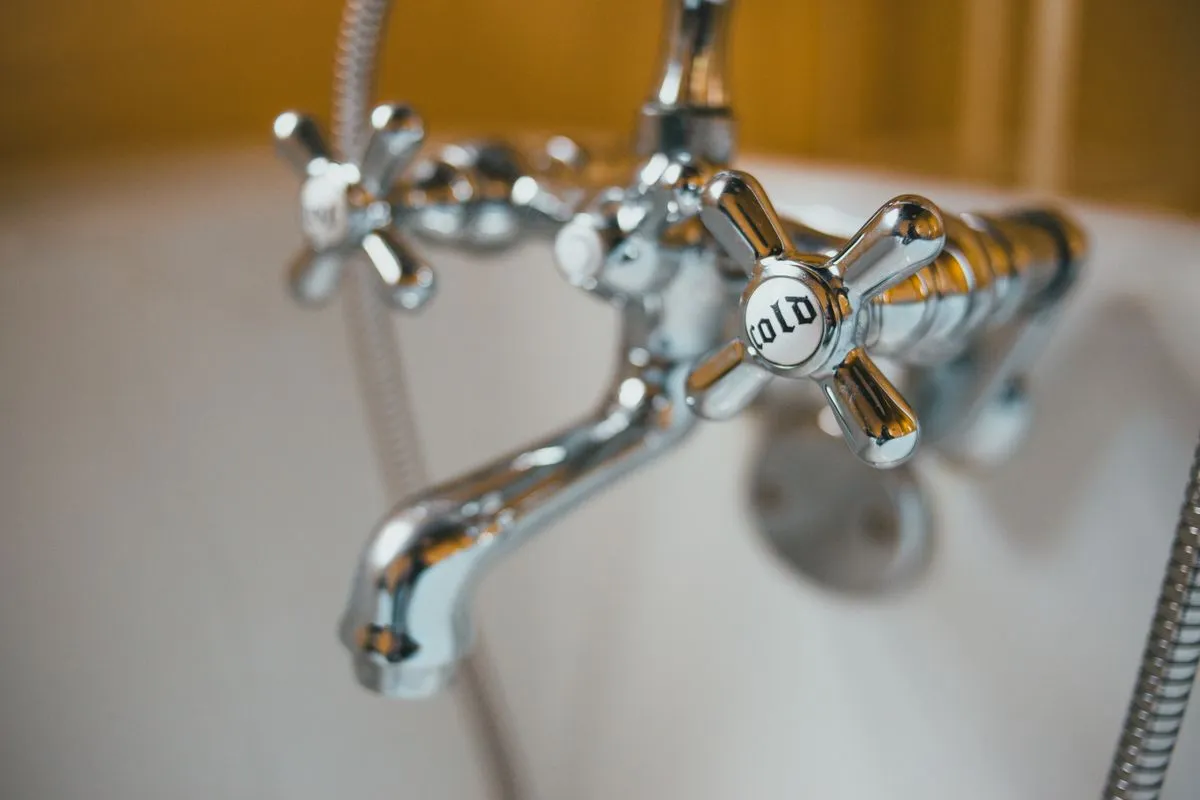
Clinton sits at the foot of the Cumberland Plateau in Anderson County, which means winters here run colder than Knoxville proper. Overnight lows in January and February regularly drop into the teens, and hard freezes are common. Most winter plumbing damage in Clinton homes is preventable with the right preparation done in the right order. Plumbing services from Tennessee Standard Plumbing in Clinton include winter plumbing prep, emergency repair, and post-freeze damage assessment for homeowners across Anderson County.
This guide gives you a month-by-month winter plumbing checklist tailored to Clinton’s climate, plus the specific steps to take during and after a hard freeze.
Why Clinton Winters Are Hard on Home Plumbing
Two factors make Clinton harder on plumbing than the Tennessee Valley average. Higher elevation means colder overnight lows, and many Clinton-area homes have crawl spaces or partial basements with exposed water lines. Together, these create more freeze events and more vulnerable pipes.
Cold Air Infiltration in Crawl Spaces
Older Clinton homes often have ventilated crawl spaces that allow outside air to circulate underneath the home year-round. In winter, this means the temperature underneath the floor matches the outside temperature, putting water lines at direct risk.
Wind Exposure in Open Lots
Many Clinton properties sit on larger rural lots without windbreaks. Wind chill drops the effective temperature on exterior walls and pipes well below the air temperature reading. Pipes that would survive a still 15-degree night can freeze fast in 15-degree wind.
Extended Cold Snaps
Clinton sees multi-day cold snaps where temperatures stay below freezing for 48 to 72 hours. Pipes that survive a single freeze can fail during the second or third night when residual heat in walls and floors finally drops.
The Pre-Winter Plumbing Checklist for Clinton Homeowners
Start preparation in October, not December. Tackling the checklist before the first hard freeze ensures everything is ready when you need it.
| Month | Task | Why It Matters |
| October | Disconnect garden hoses, drain outdoor faucets, install frost-free hose bibs if needed | Prevents water trapped in hoses from freezing back into the wall |
| October | Insulate exposed pipes in crawl space, attic, garage, exterior walls | Most freeze events start in unheated spaces |
| November | Seal crawl space vents with foam blocks or fitted covers | Stops direct cold air from circulating around pipes |
| November | Service water heater, flush sediment, check anode rod | Reduces winter water heater failure risk |
| December | Locate main water shutoff, ensure it works, label it | Critical knowledge if a pipe bursts |
| December | Have emergency plumber contact ready | Saves time when minutes matter during a burst |
October Tasks
Disconnect every garden hose from outdoor spigots. A connected hose holds water that can freeze back into the spigot and crack the line inside your wall. Drain hoses fully and store them indoors.
Walk your crawl space, attic, garage, and any exterior walls with exposed pipes. Cover every visible water line with foam pipe insulation. Foam sleeves cost a few dollars per length and install without tools.
November Tasks
Seal crawl space vents that allow outside air in. Foam blocks fitted to the vent openings are the easiest solution and can be removed in spring. This single step prevents most crawl space pipe freezes in Clinton homes.
Schedule water heater service before the cold sets in. Flushing sediment, checking the anode rod, and testing the pressure relief valve catch problems that worsen in cold weather when the heater works hardest.
December Tasks
Find your main water shutoff valve and confirm it works. If you cannot turn it or it sticks, schedule replacement now. When a pipe bursts at 2 AM in January, a frozen or broken shutoff turns a manageable leak into thousands in damage.
Save the phone number of a licensed Clinton-area plumber in your phone before you need it. Emergency calls during a regional freeze fill up fast.
What to Do During a Hard Freeze
When the forecast calls for sustained temperatures below 20 degrees Fahrenheit, take active steps to protect your plumbing. The right actions during the freeze are as important as the prep before it.
Let Vulnerable Faucets Drip
Open faucets connected to vulnerable pipes, especially those on exterior walls or in unheated spaces, to a slow drip. The dripping water relieves pressure between any ice that forms and the closed valve, which is what actually causes burst pipes.
Open Cabinet Doors Under Sinks
Cabinet doors under kitchen and bathroom sinks on exterior walls trap cold air around the supply lines. Opening the doors lets warmer room air circulate around the pipes and reduces freeze risk.
Keep the Thermostat Steady
Do not lower the thermostat at night during a hard freeze. Keep the house at a consistent temperature, ideally no lower than 60 degrees Fahrenheit. The energy savings from lowering the thermostat are erased many times over by a single burst pipe.
If You Will Be Away, Drain the System or Have Someone Check the Home
If your Clinton home will be unoccupied during freezing weather, either drain the plumbing system or have someone check on the home daily. Many burst pipe insurance claims are denied when a home was unoccupied and unheated.
Spring Recovery: Checking for Damage After Winter
Once temperatures consistently stay above freezing, do a post-winter plumbing check. Some freeze damage shows up immediately. Some only reveals itself weeks later as small leaks develop into bigger problems.
Check Outdoor Faucets
Turn on each outdoor spigot and have someone check inside the wall behind it for leaks. A spigot that froze and cracked may not leak until you turn the water back on for spring.
Inspect Crawl Space and Attic
Walk your crawl space and attic looking for water stains, damp insulation, or active drips. Catching a small post-winter leak early prevents the larger damage that comes from weeks of unnoticed dripping.
Check Water Bill for Unexplained Increases
Compare your March and April water bills to the same months in previous years. A significant increase often points to a leak somewhere in the system, sometimes from freeze damage that did not cause immediate failure.
Frequently Asked Questions
At what temperature should I worry about pipes freezing in Clinton?
Pipes start to be at risk when sustained temperatures drop below 20 degrees Fahrenheit, with wind chill and pipe exposure lowering the threshold. By 15 degrees, freeze prevention steps should be active.
How long can pipes stay frozen before they burst?
Frozen pipes can hold for hours or days depending on ice expansion and water pressure. The burst usually happens during the thaw rather than the freeze, often hours after temperatures rise.
Should I leave my faucets dripping all winter or only during freezes?
Dripping is most needed during sustained hard freezes. Continuous dripping all winter wastes water unnecessarily. Watch the forecast and drip vulnerable faucets only when temperatures are forecast below 20 degrees overnight.
What is the most common winter plumbing failure in Clinton homes?
Burst pipes in crawl spaces and outdoor faucets crack at the hose bib lead the list. Both are highly preventable with insulation and proper pre-winter prep.
Can I thaw a frozen pipe myself?
If you can access the pipe and confirm it has not burst, apply gentle heat with a hair dryer or heat tape. Never use an open flame. If you cannot locate the freeze or if the pipe has already burst, shut off the water and call a plumber.
How much does winter plumbing damage typically cost?
A single burst pipe can cause water damage running into the thousands once you include drywall, flooring, and contents. The cost of prevention is a small fraction of that. The math always favors prep.
(865) 409-0354
