
Bed bugs are among the most challenging household pests to eliminate. Unlike many other insects, they are not attracted by food waste or poor hygiene, which means they can infest even the cleanest homes. Once inside, they reproduce quickly, hide in the smallest cracks, and often remain unnoticed until the infestation has become well established.
Many people only realize they have a problem after waking up with itchy bites or noticing small stains on their bedding. By that point, bed bugs may already be hiding throughout the bedroom, making treatment far more difficult than simply spraying an insecticide. Choosing the right bed bugs insecticides and acting as soon as the infestation is confirmed are essential for achieving long-term control.
What are bed bugs?
Bed bugs are small, blood-feeding insects that rely exclusively on human or animal blood for survival. They are primarily active at night, emerging from their hiding places while people sleep before retreating again during the day.
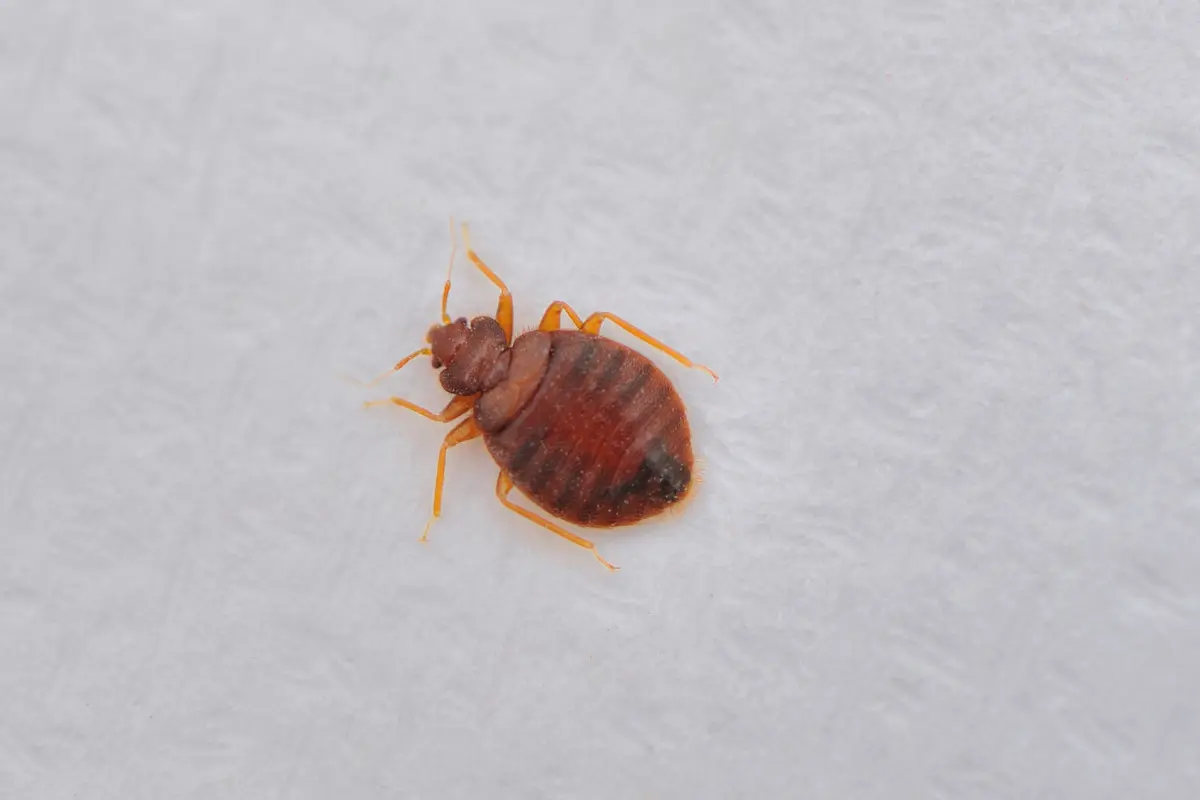
Adult bed bugs are reddish-brown, oval-shaped, and have flattened bodies that allow them to squeeze into extremely narrow spaces. Although they cannot fly or jump, they move quickly across floors, furniture, and walls, making it easy for them to spread throughout a room or even an entire building.
Because they prefer to stay close to their food source, bed bugs are commonly found in mattresses, bed frames, headboards, upholstered furniture, bedside tables, and nearby cracks or crevices.
How do bed bugs get into your home?
Unlike cockroaches or ants, bed bugs do not appear because a home is dirty. They are almost always introduced accidentally after coming into contact with an already infested location.
Some of the most common sources include:
- Luggage used during travel.
- Hotels, hostels, and vacation rentals.
- Second-hand furniture.
- Used mattresses or sofas.
- Clothing, bags, or personal belongings exposed to infested areas.
- Packages or stored items that have been kept in infested environments.
In apartment buildings and other multi-unit properties, bed bugs can also spread from one unit to another through wall voids, plumbing lines, electrical conduits, or structural cracks.
How to recognize a bed bug infestation
Early detection is one of the most important factors in successful treatment. Since bed bugs remain hidden during daylight hours, infestations often go unnoticed in their early stages.
Some of the most common signs include:
- Small black or dark brown spots on mattresses, sheets, or bed frames caused by bed bug droppings.
- Tiny blood stains on bedding after feeding.
- Shed skins left behind as immature bed bugs develop.
- Live insects hiding around mattress seams, headboards, furniture joints, or wall cracks.
- Tiny white eggs hidden in protected locations.
Bed bug bites are another common indicator. Although reactions vary from person to person, the bites often appear in small clusters or straight lines on exposed areas of the body such as the arms, shoulders, back, or legs.
However, bites alone cannot confirm an infestation since they can easily be mistaken for mosquito bites or reactions caused by other insects. A careful inspection of the mattress, bed frame, and nearby furniture usually provides much more reliable evidence.
Why early treatment is so important
Bed bugs reproduce surprisingly quickly. Female bed bugs lay eggs in protected places such as mattress seams, furniture joints, behind picture frames, inside wall cracks, or beneath loose wallpaper. These eggs are well protected and hatch within a relatively short period, which explains why a single treatment is often insufficient to eliminate the entire infestation.
The sooner treatment begins, the easier it is to prevent the population from spreading throughout the property. Delaying action gives bed bugs more time to reproduce and establish additional hiding places, making complete elimination significantly more difficult.
Bed bugs insecticides: understanding your options
There is no single product capable of eliminating every stage of a bed bug infestation on its own. The best results are usually achieved by combining different types of bed bugs insecticides, each serving a specific purpose within an integrated treatment strategy.
The most suitable solution depends on the severity of the infestation, the areas affected, and the type of surfaces being treated.
Mechanical-action liquid insecticides
Some liquid insecticides work through a physical or mechanical mode of action rather than attacking the insect’s nervous system.
Instead of poisoning the insect, these formulations immobilize bed bugs externally, preventing them from moving or feeding. Mechanical insecticides can be effective against both adult bed bugs and nymphs and begin working immediately after direct contact.
Although they generally provide limited residual protection, they are often used as part of a broader treatment program alongside other products that offer longer-lasting control.
Chemical insecticides
Most chemical bed bugs insecticides affect the insect’s nervous system, producing a rapid knockdown effect after exposure. Many modern formulations also provide residual activity, allowing treated surfaces to remain effective for days or even weeks after application. This means bed bugs that emerge from hiding later can still be eliminated when they come into contact with the treated areas.
For the treatment to be successful, insecticides should be applied directly to likely hiding places rather than only to visible surfaces. Mattress seams, bed frames, cracks, furniture joints, skirting boards, and areas around headboards are among the most important locations to target.
Insecticidal dusts
Some hiding places are simply impossible to reach using liquid sprays alone. In these situations, insecticidal dusts provide an excellent complementary treatment.
Dust formulations are particularly suitable for dry, inaccessible areas such as:
- Wall cracks and crevices.
- Structural voids.
- Spaces behind skirting boards.
- Interior sections of furniture.
- Other protected areas where liquid insecticides cannot easily be applied.
As bed bugs crawl through the treated areas, the dust adheres to their bodies, contributing to population reduction.
One of the main advantages of insecticidal dusts is their long-lasting residual effect. When applied in dry areas that are not frequently disturbed or cleaned, they can remain active for extended periods, providing continued protection after liquid treatments have been completed.
When both dusts and liquid insecticides are used together, the dust should generally be applied only after sprayed surfaces have completely dried.
Aerosol insecticides
Aerosol products are another useful category of bed bugs insecticides, particularly when treating narrow cracks and difficult-to-reach spaces.
Their primary purpose is to penetrate hidden areas and create a flush-out effect, encouraging bed bugs to leave their shelters. Once exposed, the insects are more likely to come into contact with previously applied residual insecticides, increasing the overall effectiveness of the treatment.
Although aerosols can quickly kill exposed insects, they rarely eliminate an infestation on their own. Because bed bug eggs are naturally protected and many insects remain deeply hidden, aerosol treatments are generally used alongside other insecticides as part of a comprehensive control strategy.
How to prevent another infestation
Once an infestation has been eliminated, a few preventive measures can help reduce the risk of bed bugs returning.
Inspect luggage carefully after traveling, especially after staying in hotels or shared accommodation. Examine second-hand furniture and mattresses thoroughly before bringing them into your home, and vacuum mattresses, bed frames, and upholstered furniture regularly to help detect early signs of activity.
If you suspect exposure to bed bugs, wash bedding and clothing according to the care instructions for the fabric, using temperatures appropriate for effective cleaning. In apartment buildings, regular inspections are particularly important because bed bugs can spread between neighboring units through shared walls and utility systems.
Achieving long-term bed bug control
Successfully eliminating bed bugs requires patience, careful inspection, and the right treatment strategy. Because these insects hide in extremely small spaces and reproduce rapidly, early intervention significantly increases the chances of complete elimination.
Choosing effective bed bugs insecticides is only one part of the process. Thorough inspection, proper application techniques, repeated treatments when necessary, and ongoing monitoring are equally important for long-term success. Combining different types of insecticides often produces the best results, as each formulation targets bed bugs in a different way.
