
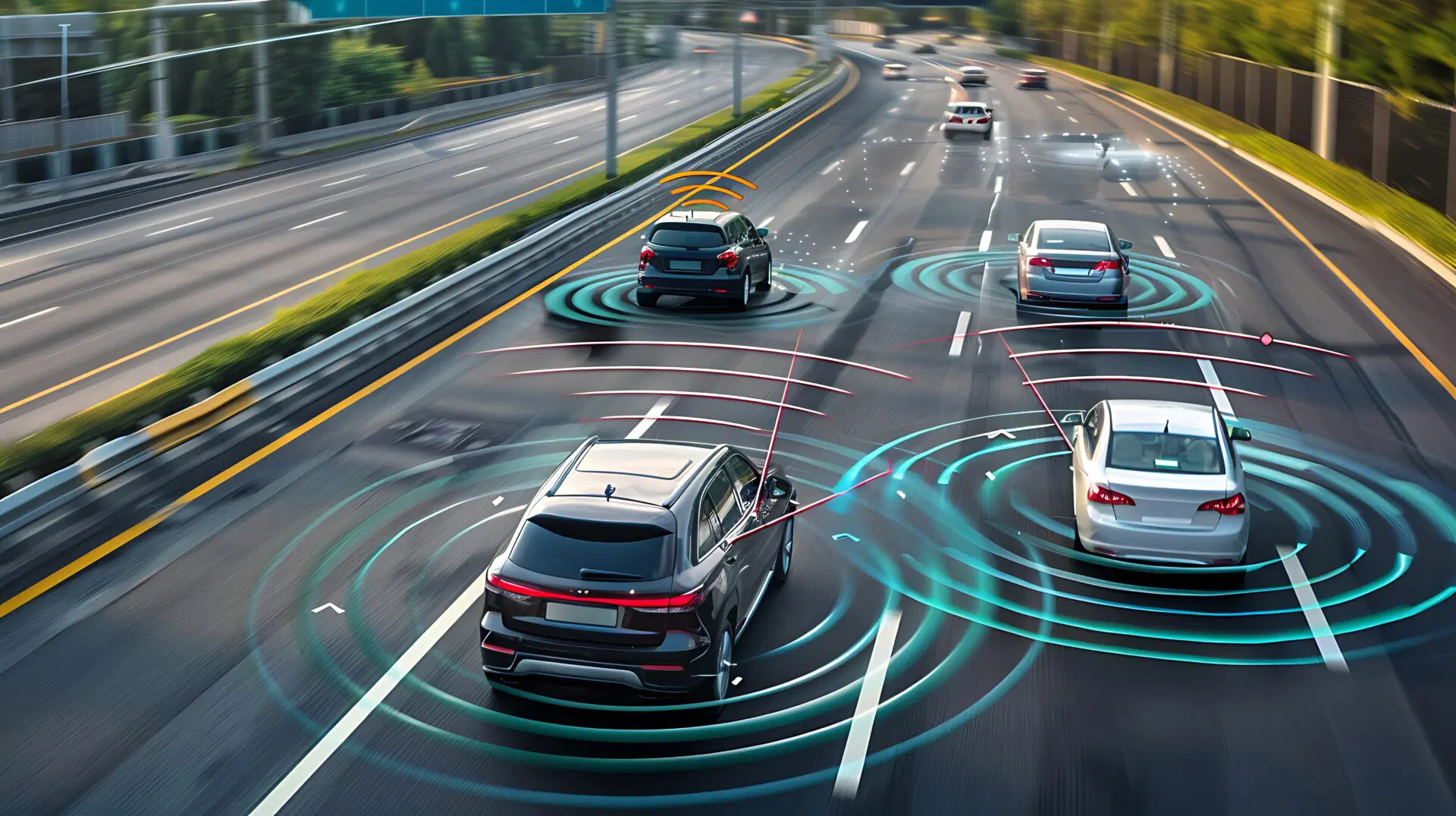
The rapid rise of autonomous ride-hailing services marks a fundamental change in how people navigate urban environments. Self-driving vehicles are transforming city transportation, promising greater efficiency, improved safety, and reduced traffic congestion. As major cities in the United States embrace these new mobility solutions, innovation is moving at an unprecedented pace. To explore the future of how people get around, the Zoox robotaxi app enables users to experience fully autonomous rides on demand.
While the benefits are significant, the transition from traditional ride-hailing to fleets of self-driving vehicles poses unique challenges. Regulatory environments, public perceptions, and integration with existing infrastructure are all factors shaping the trajectory of this technological shift. A closer look at the industry’s evolution provides insight into the drivers, obstacles, and near-term potential of autonomous ride-hailing services.
Current Landscape of Autonomous Ride-Hailing
Once viewed as a concept reserved for science fiction, autonomous ride-hailing has become an active component of urban transportation in several cities across the United States. Fully driverless ride services are now operating in select metropolitan areas, with expansion into additional locations continuing as public interest and confidence grow. The transition from limited pilot initiatives to broader public availability represents a defining shift in urban mobility, where the efficiency and consistency of automated systems are beginning to challenge traditional transportation models.
The combination of technical expertise, infrastructure development, and real-world testing has accelerated the introduction of autonomous services in diverse environments, enabling wider adoption and refining operational capabilities.
As deployment expands, city planners, regulators, and community leaders face the important task of integrating autonomous vehicles into existing transportation networks and traffic ecosystems. Balancing innovation with public safety, accessibility, and effective urban planning will be essential as communities adapt to this evolving landscape. Ongoing reporting and case studies continue to shed light on the complex relationship between emerging technologies, regulatory frameworks, and the future of city logistics.
Key Players and Partnerships
The rapid expansion of autonomous ride-hailing has drawn significant attention and investment across the mobility sector, encouraging collaborations between technology specialists and vehicle manufacturers. These partnerships aim to accelerate the introduction of self-driving transportation services by combining advanced software capabilities with large-scale production expertise and established engineering standards. Many initiatives focus on deploying autonomous electric vehicles to enhance convenience, efficiency, and accessibility in urban environments.
At the same time, increased investment and strategic alliances have created a more dynamic and competitive landscape. These collaborative efforts are helping to accelerate vehicle deployment, enhance the functionality and user experience of ride-hailing platforms, expand service coverage, and address operational challenges associated with integrating autonomous transportation into everyday life. As innovation continues to advance, such partnerships are expected to play a pivotal role in shaping the future of on-demand mobility.
Technological Advancements Driving Growth
Advancements in artificial intelligence and machine learning continue to accelerate the evolution of autonomous vehicles, enabling increasingly sophisticated systems to navigate complex driving environments. By integrating real-time data processing, high-definition mapping, sensor fusion, and predictive analytics, these technologies allow vehicles to interpret their surroundings and respond more effectively to the unpredictability of urban streets.
At the same time, growing investment and ongoing research have fostered a dynamic ecosystem where innovation advances rapidly. Breakthroughs in sensing capabilities, data interpretation, connectivity, and vehicle engineering are continually expanding the possibilities of autonomous transportation. As these technologies mature, they are reshaping expectations for mobility and moving the industry closer to a future defined by smarter, more efficient, and increasingly capable self-driving systems.
Regulatory Challenges and Public Perception
Despite impressive technological achievements, regulatory acceptance remains a key hurdle for widespread autonomous ride-hailing in many cities. In markets like Chicago, changing state and local laws creates uncertainty regarding deployment timelines. Authorities must grapple with questions around insurance, liability, and safety standards, all while navigating concerns from local labor groups about potential impacts on employment in the ride-hailing sector. According to Reuters, the patchwork of regulations means that company expansion plans are highly dependent on city and state policy decisions.
Public perception also plays a significant role in adoption rates. While early adopters are excited by the prospect of driverless rides, segments of the public remain skeptical about the technology’s reliability and safety. Education campaigns, transparent testing results, and incremental rollouts are being used to build trust and help ease concerns as more people experience autonomous rides firsthand.
Impact on Urban Mobility and Infrastructure
Integrating autonomous vehicles into the fabric of urban life requires careful planning. While these vehicles have the potential to reduce road congestion and make commuting more efficient, recent studies suggest that if they are not aligned with public transit systems, they could actually increase congestion in dense city centers. The smooth integration of autonomous ride-hailing into broader transit ecosystems is necessary to fully realize benefits such as improved accessibility, reduced emissions, and equitable service distribution.
For cities and transit authorities, this means designing policies that encourage shared rides, support zero-emission vehicles, and coordinate with local land use planning. Without thoughtful integration, the advantages of autonomous ride-hailing may be offset by unforeseen consequences in traffic flow and infrastructure use.
Future Prospects and Innovations
The future of autonomous ride-hailing appears poised for continued expansion, driven by technological advancements, broader market adoption, and innovative mobility approaches. Industry stakeholders are expanding services into new regions, enhancing vehicle capabilities, and developing strategic collaborations to improve the passenger experience, efficiency, and operational safety. These collective efforts reflect a growing commitment to making autonomous transportation more accessible and practical for everyday use. As investment increases, regulations evolve, and consumer interest strengthens, the sector is expected to advance rapidly, shaping the future of urban transportation in the years ahead.
Conclusion
Autonomous ride-hailing services are fundamentally changing how people move through urban environments. As partnerships deepen and technology continues to advance, the next era of transportation promises both unprecedented opportunity and complex challenges. Achieving the full potential of self-driving ride-hailing will depend on proactive regulation, active public engagement, and strategic integration with broader mobility networks. The ongoing transformation offers a glimpse into a future where convenience, accessibility, and sustainability are no longer competing priorities but complementary pillars of urban living.
