
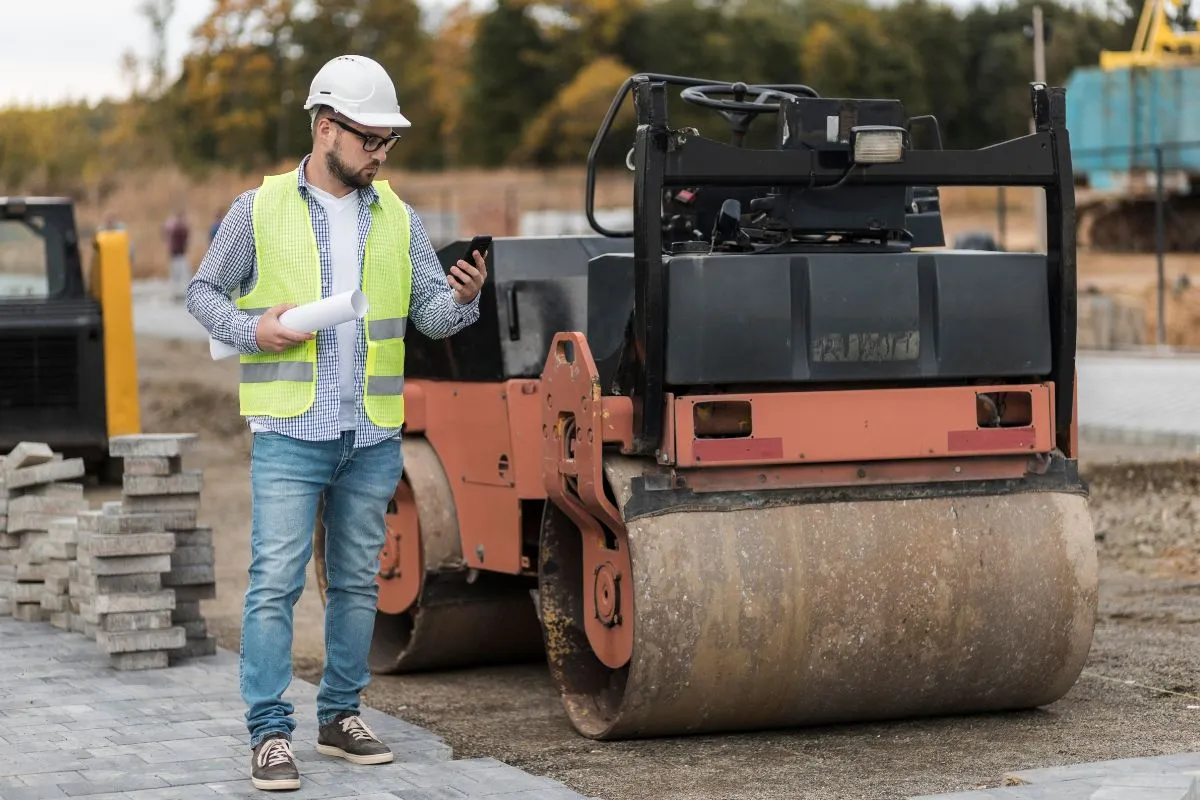
During the American construction season, especially from spring through early autumn, contractors, property managers, and maintenance teams complete projects that require stable ground conditions. Driveways, walkways, equipment areas, and small construction sites often depend on properly prepared soil and aggregate layers. A heavy-duty plate compactor provides an effective method for improving surface density and creating a stronger foundation before further construction work begins.
For equipment operators and procurement professionals, understanding compaction principles is important because machine selection, soil conditions, and operating methods directly influence project quality. Proper compaction reduces future settlement problems and supports safer, more reliable working surfaces.
Technical Overview of Plate Compaction
A plate compactor improves soil stability by applying vibration and downward force to rearrange particles. Loose soil contains air gaps that can lead to uneven settlement when exposed to vehicle loads, weather changes, or structural pressure. Compaction reduces these spaces and creates a denser material structure.
Heavy-duty plate compactors are commonly used for applications such as:
- Gravel driveway preparation
- Landscaping foundation work
- Repairing paved surfaces
- Preparing construction bases
For example, a contractor preparing a residential driveway in the United States may compact multiple layers of crushed stone before paving. Proper density helps create a more stable surface that can handle regular vehicle traffic.
Efficiency, Safety, and Productivity Benefits
Ground preparation directly affects the success of later construction stages. Poorly compacted material can result in surface movement, cracks, drainage problems, and repeated maintenance work. Using suitable soil compaction equipment helps crews complete preparation tasks more consistently.
Effective compaction supports:
- Improved surface stability
- Reduced repair requirements
- More predictable construction results
- Safer equipment movement areas
In commercial yards or agricultural properties, stable ground conditions are especially important because vehicles and machinery frequently operate on the same surfaces. A properly compacted area reduces uneven movement and improves daily operations.
Technical Foundations of Compaction Performance
The effectiveness of a heavy-duty plate compactor depends on several engineering factors, including vibration force, machine weight, base plate design, and operating method. The vibration mechanism transfers energy into the soil, allowing particles to move closer together.
However, equipment capability alone does not determine results. Soil type plays a major role. Gravel and sand generally respond well to vibration because particles can move freely. Clay-based soils may require different approaches because moisture content and soil structure affect compaction behaviour.
Important considerations include:
- Material composition
- Moisture conditions
- Required compaction depth
- Number of machine passes
Factors Affecting Performance and Safety
Several factors influence the final quality of compaction work. Operators must adjust techniques according to site conditions rather than applying the same method to every project.
Performance can be affected by:
- Incorrect layer thickness
- Excessive moisture or dry conditions
- Improper travel speed
- Poor equipment maintenance
Regular inspections help maintain reliable performance. Checking engine condition, fasteners, vibration components, and the base plate before operation can prevent equipment issues and improve workplace safety.
Safe Operating Practices and Equipment Types
Safe operation requires proper training and awareness of the working environment. Operators should inspect the machine before use, wear appropriate personal protective equipment, and avoid unstable surfaces or unsafe slopes.
Common compaction equipment includes:
- Forward plate compactors for open areas
- Heavy-duty plate compactors for demanding applications
- Reversible compactors for limited spaces
- Rammers for narrow trench work
Each equipment type has specific applications. Selecting the correct machine helps improve efficiency while reducing unnecessary wear.
Advantages, Limitations, and Future Trends
Heavy-duty plate compactors provide practical advantages, including improved ground stability, efficient operation, and suitability for various construction and maintenance tasks. They are particularly useful where larger rollers cannot access the working area.
However, they are not designed for every application. Large-scale road construction, deep soil improvement, or specialized materials may require different equipment solutions. Proper assessment of project requirements remains essential.
Future compaction technology is expected to focus on improved monitoring systems, operator assistance features, and more efficient energy use. For equipment managers and operators, understanding fundamental compaction methods will continue to be important for achieving safe and durable construction results.
