
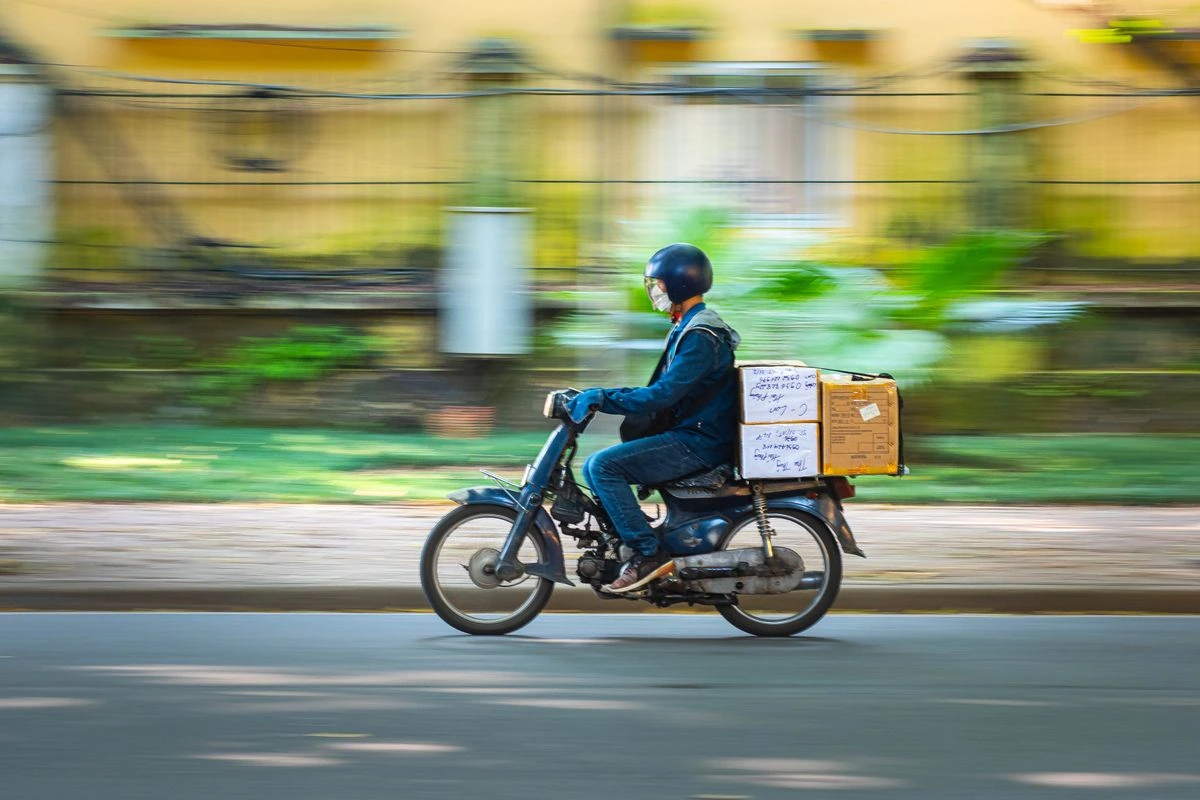
Ask a retail operator what actually keeps them up at night in 2026 and shipping is almost always somewhere on the list. Usually higher than it used to be.
Which is strange, honestly. Shipping used to be a back-office concern. Nobody built a brand on it.
Now it’s on the checkout page in bold, and the same day delivery benefits that used to belong to Amazon alone are showing up on smaller retailers’ product pages too. Sort of. The gap is closing anyway. And the scale explains a lot of it. Census Bureau’s quarterly e-commerce data puts online sales at somewhere around one-sixth of total retail, and the trend line hasn’t really flattened.
So. Four things worth thinking about.
1. Patience isn’t what it was
This one gets framed as “customers are more demanding,” which isn’t quite right. They’re more calibrated. Every next-day Amazon order quietly resets what “reasonable” looks like. That’s the mechanism.
You can see it in the survey data. Pew Research surveys on online shopping have been tracking convenience-driven behavior for years now, and speed keeps climbing the priority list alongside price. Not replacing it. Climbing next to it.
The awkward part is that shoppers don’t actually know what a five-day shipping window costs a small retailer to compress. They just know Amazon does it. That’s the whole comparison. Fair? Probably not. But it doesn’t matter what’s fair.
2. Shipping is marketing now
Look. Retailers used to bury shipping terms in a footer. Now the promise sits above the fold, next to the price. “Order in the next 2 hours” is a headline.
Which means every order tests the promise. One missed window, and whatever the marketing team spent to acquire that customer basically goes in the bin. Not ideal.
Side note, and this is one of those things that’s obvious once you notice it: fast-shipping promises also increase how much the checkout page has to do. Real-time inventory. Cutoff clocks. Zip-code eligibility. It all has to render fast and be right. The frontend gets messier the tighter the promise gets.
3. Fulfillment quietly turned into a tech problem
Logistics used to mean trucks. It still does, mostly. But now it also means dispatch algorithms, routing software, warehouse management systems, and increasingly the automated logistics side of the warehouse, where the picking itself is being handed off to machines that don’t take breaks.
The number a customer sees at checkout, “arrives Wednesday”, is downstream of maybe a dozen upstream decisions most shoppers never think about. Inventory allocation. Carrier selection. Which fulfillment node the order routes to. Whether that node has stock.
Most smaller retailers can’t build any of that in-house. They can’t afford to. Which is arguably why the third-party courier and 3PL market has grown the way it has over the last few years. Somebody has to own the complexity. Might as well be a specialist.
4. Returns
Nobody talks about this enough.
Fast delivery makes returns worse. Not always because more items come back, though that happens too. It’s more that impulse buys, the kind that faster shipping specifically encourages, get regretted faster. Buyer’s remorse compresses along with the delivery window.
And reverse logistics is ugly to begin with. Handling a return costs multiples of what a first-mile shipment costs, depending on the category. There are ways to soften it (keep-it discounts, in-store returns for online orders, restocking partners) but none of them fully solve the problem.
The retailers that are quietly winning here seem to be the ones that treat returns as a design constraint from day one, not a post-launch cleanup task. Whether that scales to smaller operators is a separate question. It’s not entirely known.
Anyway. It could be the case that delivery speed hits a ceiling once the largest carriers saturate their networks, and everyone finds a new thing to compete on. Or the pressure just keeps building. Nobody in the industry seems to agree.
