
Tacoma’s North End, Proctor District, and South Tacoma neighborhoods are full of charming Craftsman bungalows and mid-century homes. But behind those original hardwood floors and built-in shelving, the plumbing tells a different story. Homes built before 1970 in Pierce County often still run on galvanized steel supply lines and cast iron or clay sewer pipes that are now well past their expected lifespan.
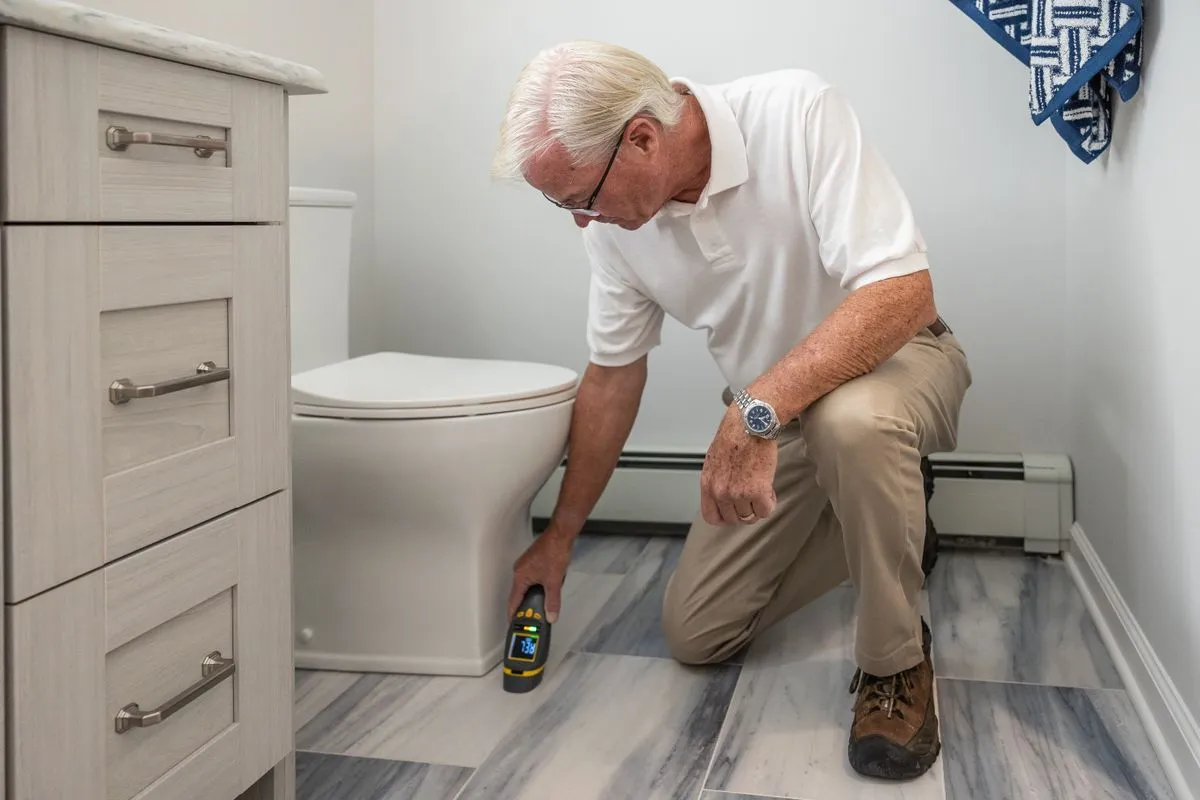
A standard home inspection covers a lot of ground, but it barely scratches the surface on plumbing. General inspectors check visible pipes and run faucets, yet they rarely scope the sewer lateral or evaluate pipe material. Scheduling a dedicated sewer inspection in Tacoma and a full plumbing evaluation before closing can save thousands in surprise repairs.
Here’s the thing. Tacoma gets roughly 40 inches of rain each year, and that moisture, combined with mature tree canopies and steep terrain, puts constant stress on aging drain and sewer systems.
What Plumbing Problems Are Most Common in Pre 1970s Tacoma Homes?
Older Tacoma homes frequently have galvanized steel water supply lines that corrode from the inside out, cast iron or clay drain pipes susceptible to root intrusion, and water heaters past their expected lifespan. Addressing these during the inspection period protects buyers from inheriting expensive hidden failures.
Galvanized Steel Water Lines
Galvanized pipes were standard in homes built through the early 1960s. Over time, rust builds along the interior walls, narrowing the pipe and choking water flow. Most galvanized pipes last 40 to 60 years, so a home built in 1958 is already past that window. Warning signs include low water pressure, rusty water when taps first turn on, and pinhole leaks at joints.
Cast Iron and Clay Drain Pipes
Below the house, cast iron and clay sewer lines face their own problems. Tacoma’s moist soil and dense root systems from bigleaf maples, willows, and poplars create a perfect recipe for root intrusion. Roots find even the smallest cracks in aging pipe joints, then expand until the line is fully blocked. A TV camera inspection reveals root infiltration, bellied sections, and cracks that no visual check can detect.
Aging Water Heaters
Tank water heaters typically last 8 to 12 years. Many older Tacoma homes still have units well past that range. Rust around the base, rumbling sounds during heating, and inconsistent hot water all point to a unit nearing failure. Buyers should check the serial number plate to verify the manufacture date and factor replacement costs into negotiations.
How Much Could Hidden Plumbing Issues Actually Cost After Closing?
Undetected plumbing failures in older homes can range from a few hundred dollars for a minor fix to $15,000 or more for a full repipe or sewer line replacement. Finding these issues before closing gives buyers leverage to negotiate credits, price reductions, or seller funded repairs.
Repiping Costs
Replacing galvanized supply lines with modern PEX piping in a typical Tacoma home runs $3,500 to $11,000, depending on size and bathroom count. Copper repiping costs more, typically $8,000 to $15,000. Those figures don’t always include drywall repair and repainting, which can add another $300 to $1,500.
Sewer Line Repairs
If the camera inspection reveals cracked or collapsed sewer pipe, trenchless sewer lining offers a less disruptive option than traditional dig and replace methods. Still, sewer line work is not cheap. Catching these problems during the inspection window turns a post closing emergency into a negotiating point.
The Small Stuff Adds Up
Dripping faucets, running toilets, and slow drains might seem minor, but they signal larger wear throughout the system. A full plumbing evaluation documents every issue so buyers can see the complete picture, not just the obvious problems.
What Should a Thorough Plumbing Inspection Include for an Older Home?
A thorough plumbing inspection for a pre 1970s home should cover pipe material identification, water pressure testing, drain flow evaluation, sewer camera scoping, and water heater assessment. Buyers should request this level of detail beyond the general home inspection.
Pipe Material and Condition
The inspector should identify what materials run through the home. Galvanized steel, copper, PEX, cast iron, and clay each have different lifespans and failure patterns. Knowing the mix helps buyers plan for what will need replacement and when.
Water Pressure and Flow Testing
Low pressure throughout the home often points to corroded galvanized lines restricting flow. The inspector should test pressure at multiple fixtures and note drops that suggest internal pipe deterioration.
Sewer Camera Scope
A TV camera inspection of the sewer lateral from the house to the city main reveals root intrusion, pipe offsets, bellied sections, and material deterioration. This single step uncovers problems that would stay hidden until the first backup.
Fixture and Connection Review
Every toilet, faucet, shut off valve, and supply line connection should be checked for leaks and corrosion. Older homes sometimes have outdated configurations that need updates to meet current Pierce County standards.
A Plumbing Inspection Pays for Itself Before the Keys Change Hands
A sewer camera inspection typically costs $125 to $500, and a full plumbing evaluation is similarly modest compared to the repairs it can uncover. For buyers eyeing older Tacoma homes, these inspections aren’t an extra expense. They’re a safeguard. The findings become a tool for negotiation, a roadmap for future maintenance, and peace of mind that there are no five figure surprises hiding underground. Tacoma’s older homes have character worth preserving, and the right plumbing inspection makes sure the pipes can keep up.
760 107th St S, Tacoma, WA 98444
(253) 306-0309
