
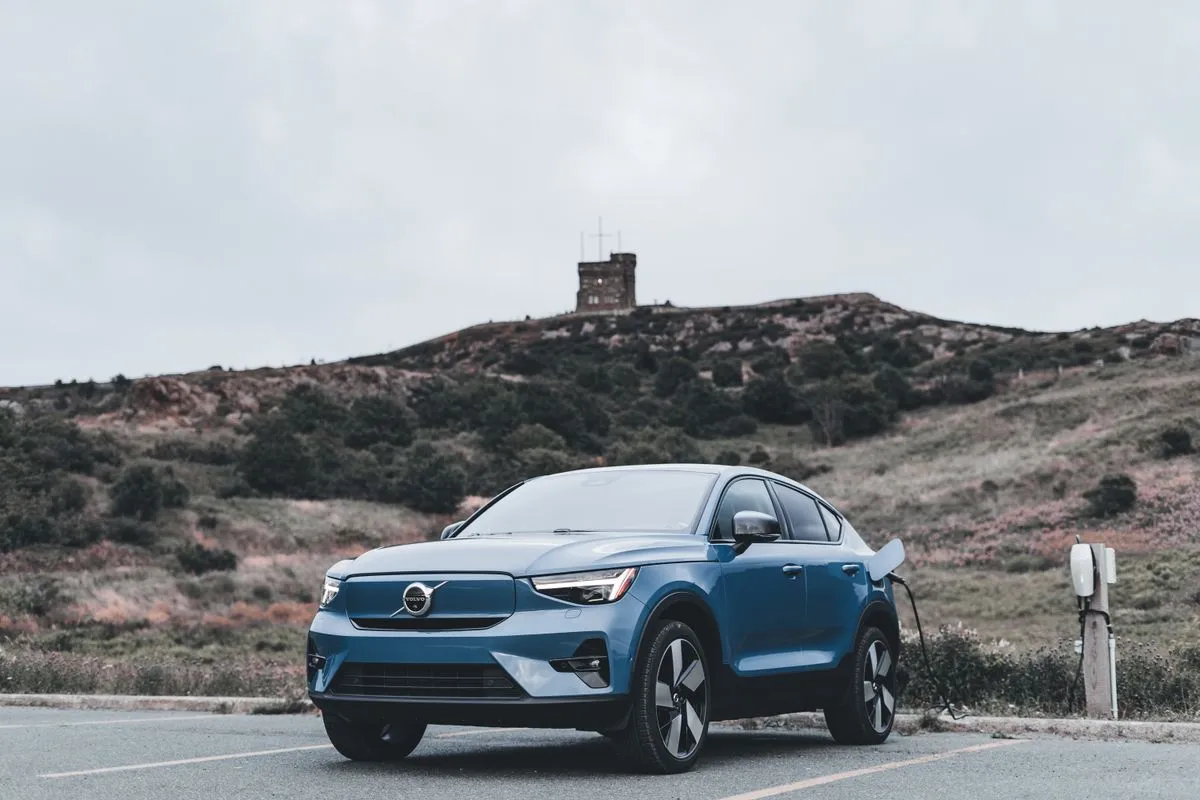
Universities are increasingly exploring sustainable transportation as part of their commitment to environmental responsibility and technological innovation. One university in Indonesia is taking steps to make electric vehicles part of its daily campus operations.
The initiative is supported by ongoing research and development in electric vehicle technology. Two electric vehicles are currently being prepared for use as transportation between different areas of the campus and for various institutional activities.
The project also serves as a practical learning platform for students. Through hands-on development, students can gain experience in electric vehicle systems, renewable energy, battery technology, and other areas related to the future of sustainable transportation.
One of the vehicles incorporates solar panels to support the power needs of its instrumentation systems. It is also equipped with front and rear sensors, current indicators, and battery monitoring features. These technologies demonstrate how electric vehicles can combine clean energy with smart systems to improve efficiency and usability.
The development of electric vehicles within an educational environment offers benefits beyond transportation. It creates opportunities for research, innovation, skills development, and collaboration with industry. Students can gain practical experience while exploring solutions to some of the environmental challenges associated with conventional transportation.
The broader goal is to develop vehicles that can be used safely and effectively for campus operations. Before wider use, important aspects such as safety and operational feasibility must be carefully evaluated.
As the transition toward cleaner transportation continues, universities have an important role to play. By combining education, research, and practical innovation, institutions such as Unissula can help prepare the next generation to contribute to a more sustainable future.
Electric vehicles are more than a technological trend. When developed through education and research, they can become a powerful tool for building practical skills and supporting the transition toward greener transportation.
