
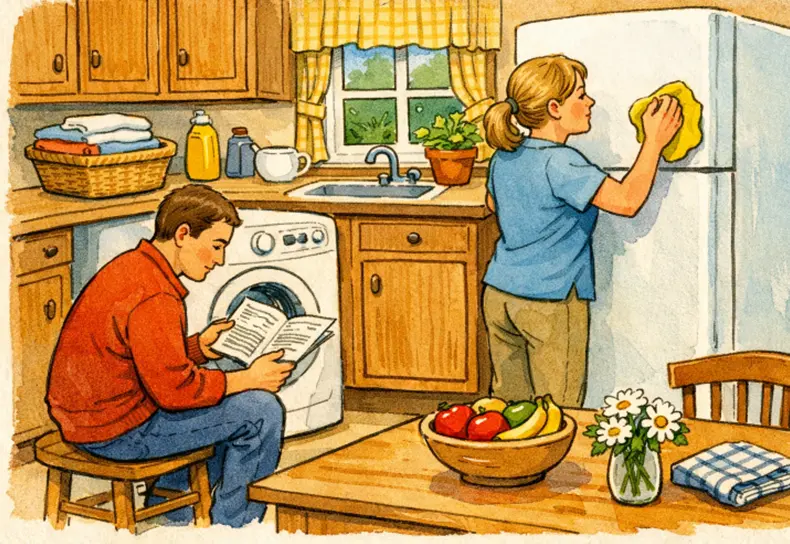
Taking care of household appliances is essential for homeowners who want to avoid the stress and expense of untimely repairs or replacements. Thoughtful maintenance not only improves performance but also keeps energy costs down. For those who need replacement parts, Samsung OEM parts can be found with relative ease, helping ensure compatibility and reliability for your repairs.
Establishing a routine for checking and maintaining household appliances is one of the simplest ways to achieve a long and efficient lifespan for all your essential equipment. Preventing unnecessary breakdowns protects your investment and contributes to a safer, more productive home environment.
Regular Cleaning and Maintenance
Neglecting routine cleaning can lead to decreased performance, increased energy usage, and even early failure of your appliances. For the refrigerator, vacuuming the condenser coils about twice a year prevents overheating. For kitchen ranges, wiping down surfaces and cleaning burners or stovetops after cooking avoids grease buildup, which is a fire risk and can interfere with appliance operation. Paying close attention to these details supports smooth running and optimal function.
Dishwashers, washing machines, and dryers all benefit from regular cleaning. Removing lint from the dryer’s filter and vent after every use increases efficiency and reduces fire risk. For dishwashers, inspecting and cleaning the spray arms and filters regularly keeps them running smoothly. This kind of ongoing care saves time and money in the long run. For more tips, resources like Good Housekeeping’s guide to cleaning dishwashers offer helpful step-by-step instructions.
Proper Usage Practices
Using appliances according to manufacturer guidelines significantly reduces the likelihood of damaged motors or internal components. Overloading a washing machine or dishwasher can strain the devices and lead to costly repairs. Following recommendations for detergent measurements and water temperature settings leads to cleaner results and prolongs the life of each machine.
Appliance manuals contain critical information about correct maintenance and operation. It is wise to consult these documents to understand maximum load capacities for laundry appliances, safe cookware for microwaves, and cleaning frequencies for everything from coffee makers to vacuum cleaners. Attention to these details makes it possible to avoid common mistakes and maximize appliance longevity.
Timely Repairs and Replacements
Addressing minor appliance issues as soon as they arise can mean the difference between a simple fix and a major malfunction. For example, a leaking refrigerator or cracked dishwasher seal might only require a small replacement to avoid water damage, mold, or electrical hazards. Regularly inspecting appliances for signs of wear, such as frayed cords, unusual noises, or inconsistent performance, ensures you can address small issues early.
Some repairs, particularly when they involve electrical or gas components, are best left to licensed professionals. Always consult a qualified technician if you are unsure about making a repair. Timely replacements of parts and seeking expert advice when necessary prevent greater expenses and maintain household safety.
Organizing Your Kitchen Space
Well-organized kitchen spaces not only look better but are also safer and more functional. Keeping countertops clear reduces the risks of accidental knocks or spills that might damage your appliances. Use cabinets and designated shelves for storing smaller items like blenders, food processors, or toasters. Proper storage protects devices from dust and accidental damage.
Maximizing vertical space using wall-mounted racks or hanging solutions for utensils and small tools ensures that even a small kitchen can stay efficient. Arranging heavier appliances at lower levels and lighter items up high increases safety and convenience for everyone in the household. This kind of organization also makes regular cleaning and inspection quick and straightforward.
Energy Efficiency Tips
Operating home appliances with energy efficiency in mind benefits both the environment and your household budget. Keeping your refrigerator at the recommended temperature (between 34.5°F and 41°F) protects stored food while avoiding unnecessary compressor activity. Maintaining about two-thirds capacity ensures stable temperatures and reduces the appliance’s workload.
Other simple habits, such as running full loads in dishwashers and washing machines, using energy-saving modes, and unplugging small appliances when not in use, also contribute to lower home energy consumption. Whenever upgrading or replacing old appliances, choosing models with efficient Energy Star ratings further improves savings over time.
Seasonal Maintenance
Seasonal changes present unique challenges to household appliances. Warm summer months require more effort from refrigerators and freezers, so ensure these are kept away from heat sources and have ample ventilation. Dusting condenser coils and checking door seals minimizes wasted energy.
In cooler seasons, it is crucial to check and service heating systems and clean air filters or vents. This ongoing care prevents unexpected breakdowns and ensures warmth through the winter. Adapting your appliance maintenance routine for each season keeps everything running smoothly year-round.
Safety Precautions
Maintaining household safety is just as important as appliance care. Inspect power cords for damage and replace any that are worn or frayed, as faulty cords are both an electrical hazard and a fire risk. Ensure all appliances are properly grounded as a protective measure. Avoid using extension cords for high-wattage devices, and always follow manufacturer safety guidelines for each product to minimize hazards.
Conclusion
Thoughtful care and regular attention to your household appliances will extend their lifespan, optimize energy efficiency, and contribute to a safer home. By following cleaning, usage, and safety practices, along with timely repairs and seasonal maintenance, you preserve both the functionality and appearance of your essential appliances.
