
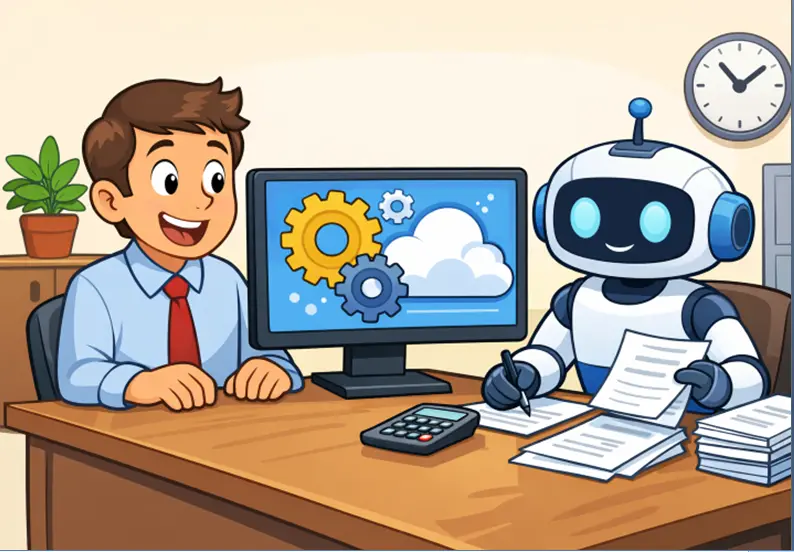
Payroll management has undergone a significant transformation in recent years. Traditional, manual processes are quickly being replaced by innovative technologies that streamline workflows and help businesses keep pace with evolving regulations. Today, organizations are investing in smarter, more agile payroll systems that not only improve efficiency but also safeguard sensitive employee data and ensure accurate payouts. For businesses looking to stay ahead, modern payroll solutions have become critical in navigating this complex landscape.
As technologies like artificial intelligence and cloud computing become essential tools for human resources, employers can now automate routine tasks, minimize payroll errors, and offer better service to employees. The digital evolution in payroll answers the growing need for accuracy, speed, and transparency in the workplace, opening up new opportunities for both businesses and their teams.
Alongside these innovations, there is a growing emphasis on user experience, compliance, and security, which means payroll is no longer just an administrative function but a strategic component of workforce management. In this article, we explore the most effective approaches modern businesses use to optimize payroll management.
According to CNBC, the adoption of AI-powered HR and payroll tech is expected to increase as companies focus on maximizing productivity and compliance, and as employees demand more flexible digital solutions.
AI Integration in Payroll Systems
Artificial intelligence continues to redefine payroll processes by reducing the margin for human error and accelerating calculations. Advanced AI systems can analyze large datasets from various sources, automate tax calculations and deductions, and even flag inconsistencies in payroll records. Recent innovations like UKG’s Pro Pay with Workforce AI illustrate how agentic, assistive, and generative AI can independently detect, assess, and resolve payroll issues in real time. This results in accurate payment cycles, enhanced efficiency, and fewer compliance headaches for payroll teams.
AI-powered payroll is not just about automation. These systems can proactively monitor regulatory changes and update payroll mechanisms to reflect current requirements, minimizing the risk of compliance violations. As a result, businesses using AI-driven payroll can focus on strategic HR initiatives rather than spending time manually reviewing pay sheets and regulations.
Cloud-Based Payroll Solutions
Cloud technology is changing the way organizations manage payroll by offering unparalleled flexibility and scalability. By leveraging platforms like Paychex Flex, companies can access payroll data from any location, update records in real time, and enable multiple stakeholders to collaborate seamlessly. Automated features such as scheduling and reporting allow businesses to quickly adapt as their workforce structure evolves.
Cloud-based payroll systems also significantly reduce the administrative workload. The result is a more agile, cost-effective payroll function that can rapidly respond to changing business needs. Insights from Forbes highlight that companies migrating to the cloud experience measurable improvements in scalability, compliance, and operational agility.
Real-Time Payroll Processing
Real-time payroll is a game-changer for many organizations, especially those with shift-based or gig workforces. By partnering with platforms like Paycor, HR leaders can automate approvals and disbursements, ensuring employees receive payment promptly and accurately. This approach reduces payroll processing times, sometimes by half, while minimizing common setbacks such as payment delays or calculation errors.
The benefits of real-time processing extend beyond faster payments. Real-time payroll also supports seamless adjustments to pay rates and compensation, further promoting fairness and transparency across the board.
Compliance and Regulatory Considerations
Compliance remains a fundamental aspect of payroll, especially as federal, state, and local labor laws continue to evolve. Modern payroll software integrates regulatory intelligence, automatically analyzing and applying changes to pay calculations as necessary. This not only saves time but also protects employers from costly penalties associated with non-compliance.
Research from ISG shows a surge in demand for AI-powered payroll platforms that can adapt quickly to different regulatory environments across jurisdictions. Businesses that invest in flexible, intelligent payroll solutions are better prepared to expand into new regions without facing unexpected legal challenges or administrative backlogs.
Employee Self-Service Portals
Employee empowerment is another hallmark of contemporary payroll management. Many modern systems now provide self-service portals, allowing staff to access their pay stubs, download tax documents, and update banking or personal information directly. This not only reduces the administrative burden on HR teams but also ensures employees have fast, easy access to the information they need.
Accessible self-service portals contribute to a more engaged and satisfied workforce by fostering trust and communication between employees and management. The time saved on administrative requests can be redirected to strategic HR projects and initiatives that drive business growth.
Data Security in Payroll Management
With sensitive employee information at stake, data security has never been more critical. Robust encryption, multi-factor authentication, and regular security audits are now standard features in the top cloud-based payroll platforms. Secure payroll management protects organizations from data breaches and maintains employee trust by safeguarding their personal and financial details.
As cyber threats become more sophisticated, maintaining compliance with data protection laws such as the General Data Protection Regulation (GDPR) is essential. Modern payroll vendors invest heavily in security infrastructure and continuous monitoring, providing an additional layer of reassurance for businesses of all sizes.
Conclusion
Payroll management has evolved far beyond traditional administrative processing and now plays a critical role in organizational efficiency, regulatory compliance, and employee experience. Modern payroll systems leverage artificial intelligence, cloud-based infrastructure, and real-time data processing to reduce errors, automate repetitive tasks, and improve decision-making. Enhanced security measures also help protect sensitive employee and financial information in an increasingly digital environment. As labor regulations become more complex and employee expectations continue to rise, businesses that invest in advanced payroll technology gain greater agility, operational confidence, and the ability to adapt quickly to future workforce and compliance challenges.
