
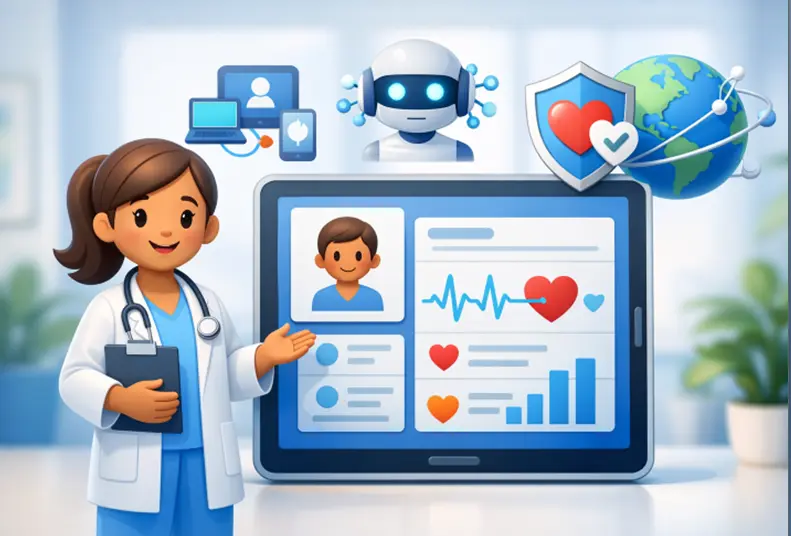
Primary healthcare is experiencing a rapid transformation as innovations reshape care delivery, patient engagement, and health outcomes. Understanding these dynamic shifts is critical for healthcare professionals, industry leaders, and policymakers who strive to deliver quality, accessible care. In particular, insights from primary healthcare market research offer a forward-looking perspective, helping stakeholders navigate the complex, evolving landscape of patient services.
From the integration of cutting-edge technology to the adoption of new care models, modern primary healthcare is at the center of change. Patients now expect digital convenience and holistic support. Meanwhile, providers must keep pace with rapidly advancing technologies and increasing demands for accountability as they shape the systems of tomorrow.
Technological Innovations in Primary Healthcare
Digital health tools have brought about a paradigm shift in primary care. Telemedicine enables patients to access providers remotely, eliminating barriers to care due to geography and mobility. Electronic health records (EHRs) ensure streamlined data access, supporting continuity of care and allowing for seamless referrals and follow-up appointments. AI systems bolster clinical decision-making, generating predictive insights that help to personalize care for each patient, drive early interventions, and improve health outcomes. Digital strategies are proven to increase efficiency and expand access in underserved communities.
Moreover, primary healthcare’s digital transformation is facilitating closer patient-provider communication. Interactive mobile apps, patient portals, and wearable devices empower individuals to play a more active role in managing their health and wellness. These tools offer real-time feedback, medication reminders, and instant appointment scheduling, thereby greatly enhancing patient adherence and engagement. With the increasing popularity of remote health monitoring, chronic conditions can be detected and managed proactively, helping healthcare teams deliver timely interventions that reduce hospitalizations and improve patients’ quality of life. The rise of digital literacy programs and community outreach further supports the effectiveness of these technological solutions, ensuring they are accessible to diverse populations regardless of socioeconomic status.
Shift Towards Value-Based Care Models
The traditional fee-for-service approach, which incentivizes volume over quality, is gradually being replaced by value-based care (VBC). Under VBC, providers are rewarded for improving patient health outcomes and increasing cost-effectiveness. This care model emphasizes prevention, chronic disease management, and holistic patient well-being. Despite the clear long-term benefits, transitioning to VBC requires healthcare organizations to invest in advanced analytics, engage in interdisciplinary collaboration, and manage shifting reimbursement structures. A comprehensive focus on coordinated care, patient education, and accountability is critical to success.
Expansion of Preventive Healthcare Services
Preventive healthcare is rapidly gaining prominence, shifting the focus from treatment to early identification and management of health risks. Screenings, immunizations, lifestyle counseling, and wearables help identify conditions before they escalate into chronic diseases. Investment in preventive services is on the rise as research shows that proactive care lowers overall costs and enhances patient well-being. The preventive healthcare technologies and services sector is forecasted to reach $1.19 trillion by 2034, reflecting a global commitment to combating chronic diseases and promoting long-term health.
Importance of Data Interoperability and AI Integration
For primary healthcare systems to function optimally, data must move seamlessly across providers and settings. Data interoperability, the ability to share and interpret health information across different platforms, eliminates silos, enhances workflow efficiency, and gives providers a holistic view of patient history. AI further amplifies these benefits by automating time-consuming tasks, identifying trends in vast datasets, and supporting population health management. The combination of interoperability and AI ensures care decisions are informed, timely, and tuned to individual patient needs. Reliable data exchanges are increasingly seen as fundamental to quality care.
Data interoperability doesn’t just benefit clinicians and health organizations; it also benefits patients, who experience better-coordinated care and smoother transitions between services. As regulations and standards evolve, more innovative startups and established vendors are developing secure platforms and application programming interfaces (APIs) to address longstanding data-sharing challenges. These advances help minimize fragmentation and duplication in healthcare, reducing errors and administrative burden. As a result, both patients and providers benefit from a more efficient, evidence-based, and collaborative approach to care delivery that can generate real-world impacts on population health outcomes.
Regional Variations in Primary Healthcare Trends
Primary healthcare trends often differ across regions due to varying policy environments, infrastructure development, and population needs. In North and South America, the emphasis is on expanding access to preventive care through mobile and online platforms. In contrast, European countries prioritize telehealth solutions for cross-border care within the European Union. Asian countries are focusing on integrating AI into telemedicine services to overcome resource constraints and reach rural populations. These variations highlight the importance of tailoring strategies to fit local contexts, from regulatory requirements to specific population health challenges.
Despite these differences, there is a growing global recognition of the need to foster community-based healthcare approaches and strengthen the primary care workforce. For example, some African countries are piloting community health worker programs and mobile clinics to reach remote populations, while Middle Eastern nations are investing in smart city infrastructure that integrates healthcare data. These diverse strategies reflect the shared objective of advancing health equity and optimizing the delivery of essential services suited to each region’s unique needs and resources.
Challenges and Opportunities in Primary Healthcare
Despite the abundant opportunities brought by innovation, primary healthcare faces significant challenges. Data privacy and security are vital concerns as digital records and AI systems manage sensitive patient information. Implementation costs and technical barriers may hinder organizations, particularly in lower-resource settings, from adopting new technologies. Disparities in healthcare access also persist, requiring initiatives that promote equity and inclusivity. Addressing these challenges requires investment in secure infrastructure, ongoing professional training, and policy frameworks that protect patients while encouraging innovation.
Future Outlook for Primary Healthcare
The future of primary healthcare will be characterized by continuous innovation and a strong emphasis on patient-centered care. Technologies will remain a driving force, with further integration of digital health, AI, and interoperable systems. To succeed, providers must remain agile, open to adopting new tools, and adaptable to evolving patient needs. Emphasizing preventive care, leveraging actionable data, and fostering collaborative partnerships will be instrumental in achieving sustainable improvements for patients and systems alike.
Industry leaders and healthcare providers can benefit from keeping pace with developments highlighted in recent industry reports and from tracking ongoing insights from publications such as J.P. Morgan Insights to inform strategy and operations in this ever-evolving field.
