
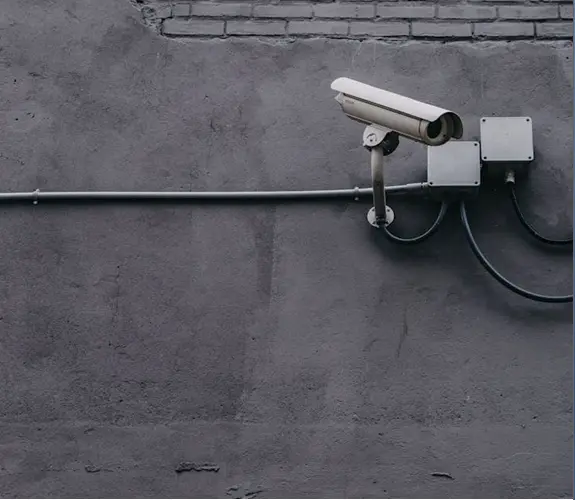
The world around us is constantly changing, bringing new Technology and complex security challenges. From protecting physical spaces to safeguarding digital information, the need for robust security is more critical than ever. We understand that traditional approaches often fall short in today’s dynamic environment.
This is where advanced security technology solutions come into play. These aren’t just isolated tools; they are integrated systems designed to create comprehensive protection. Imagine a network where every component, from access control to advanced surveillance, works together seamlessly. This powerful synergy helps us protect people, assets, and reputations more effectively.
In this extensive guide, we will explore the core solutions offered by leading providers and how they combine human expertise with cutting-edge technology. We’ll look at everything from integrated systems to specialized services like remote monitoring and even advanced tools such as those used for LPR dash cam solutions. Our goal is to show how these innovations are creating safer communities and more secure operations for businesses and organizations alike.
The landscape of security has undergone a profound transformation. What was once a collection of disparate systems—a guard at the gate, a camera on the wall, an alarm siren—has evolved into sophisticated, interconnected ecosystems. Modern security technology solutions are built on the principle of integration, bringing together various elements to form a cohesive and highly effective defense strategy. This approach is often referred to as the convergence of physical and cyber security, creating a more robust and responsive security posture.
Leading providers in the security sector, such as Allied Universal and Securitas Technology, exemplify this integrated model. They recognize that true comprehensive protection isn’t achieved through technology alone, nor solely through human presence. Instead, it’s a strategic blend of trained security professionals, cutting-edge technology, and expert consulting services. For instance, the global physical security market is experiencing significant growth, driven by the demand for customized solutions that leverage both human expertise and advanced tools.
Consider how integrated security systems combine these three pillars:
- Trained Security Professionals: Guards provide a visible deterrent, respond to incidents, conduct patrols, and interact with people on-site. Their presence offers a human element of judgment, de-escalation, and immediate action that technology cannot fully replicate. They are often equipped with modern tools, enhancing their effectiveness.
- Advanced Technology: This encompasses a wide array of devices and software, including access control systems, video surveillance, intrusion detection, and fire safety. These technologies provide constant monitoring, data collection, and automated responses, extending the reach and capabilities of security personnel. Innovations in areas like remote video monitoring, GPS patrol management, and threat intelligence are critical for real-time situational awareness and proactive defense. These advanced tools enable security teams to respond to potential threats with greater speed and precision, offering capabilities that are essential for modern mobile security technology solutions.
- Consulting Services: Expert consultants analyze an organization’s specific risks and vulnerabilities, design tailored security programs, and ensure compliance with relevant regulations. They bridge the gap between technology and operational needs, providing strategic guidance on implementation, optimization, and future-proofing security investments. This holistic approach ensures that solutions are not just installed but are strategically aligned with organizational goals and evolving threat landscapes.
This integration allows for a proactive rather than reactive security stance. Real-time data analytics from various sensors and cameras can feed into a centralized command center, enabling security teams to identify anomalies, predict potential threats, and respond before incidents escalate. Remote monitoring capabilities mean that a single team can oversee multiple locations, providing continuous vigilance and efficient resource allocation. GPS patrol management optimizes guard routes, ensures coverage, and provides accountability, while threat intelligence keeps security strategies updated against emerging risks.
Customizing Protection for Site-Specific Needs
One size does not fit all in security. Effective security technology solutions must be highly customizable to meet the unique requirements of each site and industry. A data center, for example, will have vastly different security needs than a retail store or a government facility. The ability to tailor solutions is paramount to effectively reducing risk, as customized security solutions must account for site-specific requirements.
The customization process typically begins with a thorough risk assessment. This involves identifying potential threats, evaluating existing vulnerabilities, and understanding the specific assets that need protection. Based on this assessment, a scalable security architecture is designed. This architecture considers factors such as the physical layout of the site, operational workflows, regulatory compliance obligations, and budgetary constraints.
For instance, an industrial facility might require robust perimeter intrusion detection systems and specialized access control for hazardous areas, while a corporate office might prioritize visitor management and internal surveillance. Industry-specific protocols also play a crucial role. Financial institutions require advanced fraud detection and secure transaction environments.
Furthermore, full lifecycle support for technology deployments is essential. This means not only implementing the right hardware and software but also providing ongoing maintenance, updates, and training for security personnel. As threats evolve and technology advances, security systems must be adaptable and upgradeable. This ensures that the solutions remain effective over time, providing continuous safety for personnel and property.
Core Components of Modern Physical Protection
The foundation of any robust security strategy lies in its core technological components. The integration of these elements creates a multi-layered defense that is far more effective than individual, standalone systems.
Traditional Security Hardware vs. AI-Enhanced Systems
Access Control:
This is the first line of defense, managing and monitoring who enters and exits a facility. Modern access control systems have moved far beyond simple key cards. They now include:
Biometric Scanners:
Fingerprint, facial recognition, or iris scanners provide highly secure and convenient authentication, ensuring that only authorized individuals gain entry.
Smart Card Readers:
Encrypted cards offer enhanced security over older proximity cards, often integrating with other building management systems.
Mobile Access:
Using smartphones as credentials for entry, leveraging Bluetooth or NFC technology for flexibility and ease of use.
Visitor Management Systems:
Digital platforms that streamline visitor registration, badge printing, and tracking, often integrating with access control for temporary permissions.
Video Surveillance:
Cameras are ubiquitous in modern security, but their capabilities have dramatically advanced.
High-Definition Optics:
Provides crystal-clear images, crucial for identification and forensic analysis.
- Thermal Imaging: Detects heat signatures, enabling surveillance in complete darkness or through smoke, valuable for perimeter security and fire detection.
- Edge Computing & Cloud Storage: Processing video data at the camera (edge) reduces bandwidth requirements, while cloud storage offers scalable, secure, and accessible archiving.
- Automated Threat Recognition: AI-powered analytics can identify suspicious behaviors, unattended objects, or anomalies in real-time, alerting security personnel automatically.
- Forensic Search Capabilities: Advanced software allows for quick searching of vast amounts of video footage based on specific criteria (e.g., person wearing a red shirt, vehicle type), significantly speeding up investigations.
Intrusion Detection: These systems are designed to detect unauthorized entry or activity.
- Perimeter Sensors: Fence-mounted sensors, buried cables, or laser barriers detect attempts to breach the outer boundary.
- Motion Detectors: Passive infrared (PIR) and microwave sensors detect movement within a protected area.
- Glass Break Detectors: Acoustic sensors identify the sound of breaking glass.
- Door/Window Contacts: Magnetic sensors trigger an alarm when a door or window is opened.
- Vibration Sensors: Detect attempts to cut through walls or ceilings.
Fire and Life Safety: Beyond security, these systems are critical for protecting lives and property from fire and other emergencies.
- Advanced Smoke and Heat Detectors: Intelligent detectors can differentiate between types of smoke and heat, reducing false alarms.
- Sprinkler Systems: Automated water suppression systems integrated with fire panels.
- Emergency Communication Systems: Public address systems and mass notification platforms to alert occupants and guide evacuations.
- Carbon Monoxide Detectors: Essential for detecting dangerous gas levels.
- Integrated Fire Panels: Centralized control units that monitor all fire and life safety devices, automatically notifying emergency services.
Advanced Video Surveillance and Security Technology Solutions
The evolution of video surveillance is perhaps one of the most impactful advancements in security technology. Modern systems are not merely recording devices; they are intelligent sensors that can actively contribute to threat detection and response. Edge computing, for example, allows video analytics to run directly on the camera itself, enabling immediate processing of events and reducing the need to send all raw footage to a central server. This dramatically cuts down on network bandwidth usage and latency, making real-time alerts more efficient.
Cloud storage provides unparalleled scalability and accessibility for video archives. Instead of managing complex on-site servers, organizations can store vast amounts of high-definition footage securely in the cloud, accessible from anywhere with appropriate authorization. This also simplifies disaster recovery and ensures data integrity.
Beyond passive recording, AI-powered automated threat recognition is a game-changer. These systems can be trained to identify specific objects, behaviors, or patterns that indicate a potential threat – such as a vehicle entering a restricted zone, a person loitering, or even a fight breaking out. This capability reduces the reliance on human operators to constantly monitor multiple screens, allowing them to focus on verifying and responding to genuine alerts. Furthermore, advanced forensic search capabilities allow security teams to quickly sift through hours of footage, pinpointing relevant events or individuals, which significantly accelerates post-incident investigations.
The Role of Unmanned Aircraft Systems (UAS) and Robotics
Unmanned Aircraft Systems (UAS), commonly known as drones, and robotics are increasingly becoming integral components of comprehensive security technology solutions, especially in large or complex environments. They offer unique capabilities that complement traditional static security measures.
UAS can perform aerial patrolling over vast areas, providing a bird’s-eye view that is impossible with ground-based cameras or patrols. This is particularly useful for monitoring large perimeters, construction sites, or critical infrastructure like power plants and pipelines. They can rapidly deploy to a specific location to investigate an alarm, providing real-time video feedback to a command center. This capability enables rapid incident response by giving security teams immediate visual confirmation of a situation, allowing them to dispatch appropriate resources.
Robotics, both ground-based and aerial, are used for perimeter monitoring and can conduct routine patrols, freeing up human guards for more complex tasks. Some robots are equipped with various sensors, including thermal cameras, gas detectors, and two-way communication systems, enabling them to inspect hazardous environments where it might be unsafe for human personnel. For example, in maritime and port security, UAS can monitor vast stretches of water and coastline, identifying unauthorized vessels or activities that might otherwise go unnoticed. The specialized services offered by providers like Security Solutions Technology (SST), founded by retired US Army officers, include expertise in UAS, maritime, and port security, highlighting the critical role these technologies play in high-risk environments.
Specialized Applications for High-Risk Environments
In certain sectors and situations, standard security measures are insufficient. High-risk environments, whether due to their inherent nature (like critical infrastructure) or the specific threats they face (like VIP protection), demand specialized security technology solutions and services. These advanced offerings are designed to address unique vulnerabilities and provide robust protection against sophisticated threats.
Here are some specialized security services that address unique risks:
- Executive Protection: Providing close-quarters security for individuals deemed at high risk, often involving a combination of highly trained personnel, secure transportation, and advanced surveillance and communication technologies.
- K9 Security: Utilizing specially trained dogs for detection of explosives, narcotics, or intruders, as well as for patrol and crowd control. The K9 unit adds a unique sensory capability and deterrent presence.
- Weapons Screening: Deploying advanced detection technologies, such as walk-through metal detectors, X-ray scanners, and millimeter-wave imaging, to prevent prohibited items from entering secure areas. This is crucial for event security and access control at sensitive facilities.
- Event Security: Comprehensive planning and execution of security measures for large gatherings, including crowd management, access control, emergency response planning, and surveillance, often utilizing temporary deployment of advanced technology.
- Maritime & Port Security: Protecting vast and complex port environments from threats such as smuggling, piracy, and terrorism. This involves a combination of radar, sonar, underwater drones, vessel tracking systems, and specialized patrol units.
- Critical Infrastructure Protection: Safeguarding essential assets like power grids, water treatment plants, and communication networks from physical and cyber attacks. This often involves multi-layered physical security, advanced intrusion detection, and robust operational technology (OT) security. As an example, the National Renewable Energy Lab partnered with Optiv’s OT team to secure substations, recognizing that the over 55,000 substations in the US are potential cyber targets.
These services often leverage advanced technologies, such as Motorola Solutions’ ecosystem which connects various tools to strengthen safety across industries, including military and critical infrastructure. This ecosystem includes secure radios, situational intelligence platforms, and counter-UAS capabilities, all designed to enhance safety and security in challenging environments.
Cybersecurity Integration within Security Technology Solutions
The lines between physical and cyber security are increasingly blurred. A breach in one can often lead to vulnerabilities in the other. Therefore, modern security technology solutions must seamlessly integrate cybersecurity measures to protect digital assets and the systems that control physical security.
Data Encryption:
All sensitive data, whether it’s video footage, access logs, or personal identification information, must be encrypted both in transit and at rest. This protects against unauthorized access and data breaches.
Operational Technology (OT) Security:
Industrial control systems (ICS) and supervisory control and data acquisition (SCADA) systems, which manage critical infrastructure and industrial processes, are prime targets for cyberattacks. OT security involves specialized measures to protect these systems from disruption, ensuring their availability and integrity. Companies like Optiv provide comprehensive OT security services, recognizing that traditional IT security controls are often insufficient for these unique environments.
Threat Intelligence:
Integrating real-time threat intelligence feeds into security operations centers (SOCs) helps organizations stay ahead of emerging cyber threats. This intelligence informs proactive defense strategies and enables faster response to known attack vectors.
Network Hardening:
Securing the underlying network infrastructure that connects physical security devices (cameras, sensors, access control readers) is vital. This includes implementing firewalls, intrusion prevention systems, and secure network protocols to prevent unauthorized access or manipulation.
Secure Communication Protocols:
Ensuring that all communication between security devices and central management systems is encrypted and authenticated prevents eavesdropping or spoofing.
- Identity Management: Extending robust identity and access management (IAM) principles to physical security systems ensures that only authenticated users can configure or manage devices, preventing insider threats.
Even advanced solutions like Unmanned Aircraft Systems (UAS) and encryption solutions integrate with physical security by providing secure data transmission and operational integrity. For government contracts, GSA-approved providers like Security Solutions Technology (SST) offer significant benefits, as they have undergone rigorous evaluation to meet federal procurement standards. SST, for example, is approved for GSA IT Schedule 70, including cybersecurity services (54151HACS) and IT professional services (54151S), making them a trusted partner for government agencies seeking integrated physical and cyber security solutions.
Frequently Asked Questions about Security Technology
How do integrated systems reduce organizational risk?
Integrated security systems significantly reduce organizational risk by providing a holistic and synchronized defense. Instead of disparate components operating in silos, an integrated system centralizes management and data. This data-driven decision-making allows for more informed and rapid responses. Furthermore, by eliminating security silos, these systems create a unified picture of an organization’s security posture, making it easier to identify vulnerabilities, track trends, and allocate resources effectively, enhancing overall resilience against a wide array of threats.
What role does AI play in modern surveillance?
Artificial Intelligence (AI) has revolutionized modern surveillance, transforming it from passive recording into an active, intelligent security tool. AI enhances surveillance through:
- Behavioral Analysis: AI algorithms can detect unusual or suspicious behaviors, such as loitering, crowd formation, or rapid movement in restricted areas, flagging them for human review.
- Anomaly Detection: By learning normal patterns, AI can identify deviations that might indicate a threat, like an unattended bag or a vehicle parked in an unusual spot.
- Automated Alerts: Instead of constant human monitoring, AI-powered systems generate automated alerts for specific events, allowing security personnel to focus on critical incidents. This significantly reduces the burden on human operators and improves response efficiency.
- Reducing False Positives: Advanced AI can differentiate between genuine threats and benign events (e.g., a falling leaf versus an intruder), drastically cutting down on false alarms that can desensitize security teams.
- Predictive Modeling: In some advanced applications, AI can analyze historical data and current patterns to predict potential security breaches or areas of heightened risk, enabling proactive deployment of resources.
Microsoft Sentinel also uses AI to evolve beyond traditional SIEM, offering AI-ready platforms for comprehensive threat management.
How can businesses ensure compliance with security technology?
Ensuring compliance with security technology involves a multi-faceted approach that aligns technological implementation with regulatory requirements and best practices.
- GSA-Approved Providers: For government entities and contractors, partnering with GSA-approved providers like Security Solutions Technology (SST) is crucial. These providers meet stringent federal standards, ensuring that their solutions comply with government regulations, particularly for cybersecurity services and IT professional services.
- Regulatory Alignment: Businesses must identify and understand all relevant industry-specific and governmental regulations (e.g., HIPAA for healthcare, GDPR/CCPA for data privacy, PCI DSS for payment processing).
- Data Privacy Standards: With increasing concerns about data privacy, organizations must ensure that their security technologies, especially video surveillance and access control systems, handle personal data in accordance with privacy laws. This includes secure storage, restricted access, and clear retention policies for collected data.
- Regular System Audits: Periodic audits and assessments of security systems are essential to verify their ongoing effectiveness and compliance. These audits can identify vulnerabilities, ensure proper configuration, and confirm that all data handling practices meet regulatory standards. This proactive approach helps businesses avoid penalties and maintain trust.
Conclusion
The journey towards comprehensive security is an ongoing one, marked by continuous innovation and adaptation. Advanced security technology solutions are no longer a luxury but a necessity for protecting people, assets, and reputations in an increasingly complex world. We’ve seen how the strategic integration of human expertise, cutting-edge technology, and expert consulting services forms the bedrock of modern defense. From biometric access control and AI-powered video analytics to the deployment of UAS and robust cybersecurity measures, these solutions are designed to create multi-layered, intelligent protection.
The ability to customize these solutions to meet site-specific requirements and industry needs ensures their effectiveness, while embracing advanced technologies like remote monitoring, GPS patrol management, and threat intelligence empowers proactive defense. Specialized services address unique risks, and the seamless integration of cybersecurity safeguards the digital infrastructure underpinning physical security.
As organizations look to the future, selecting a security technology partner requires careful consideration of their ability to provide comprehensive, scalable, and compliant solutions. By embracing technological synergy and committing to long-term resilience, we can collectively build a more secure future.
