
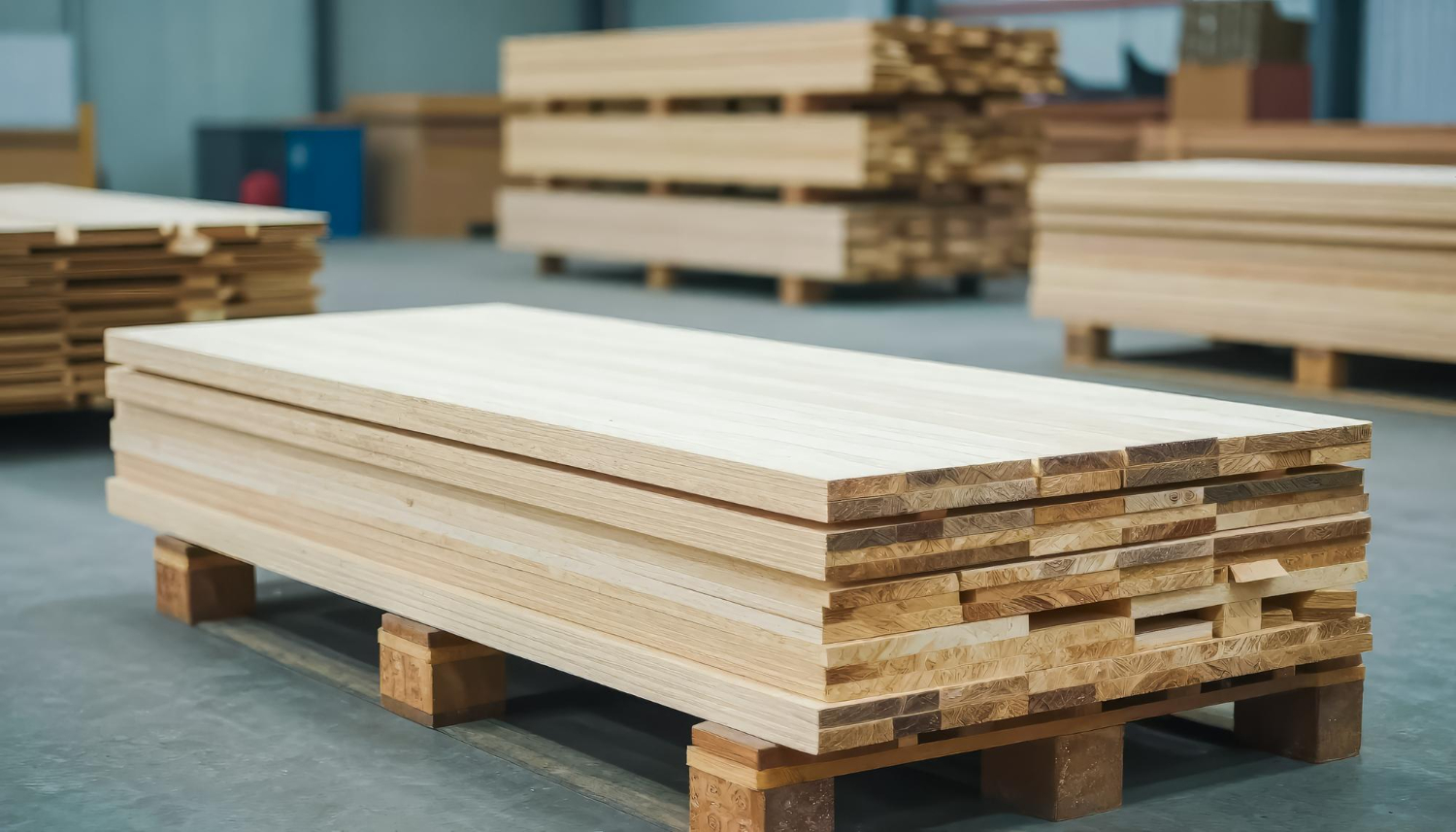
Pallets are essential to modern logistics, supporting the safe and efficient movement of goods across supply chains. The type of pallet a business chooses directly impacts handling efficiency, transportation costs, product protection, and even sustainability performance. While pallets may appear simple, they are engineered in different materials and designs to meet specific operational demands. Understanding the various types of pallets allows businesses to make more strategic decisions that align with their shipping, storage, and handling requirements.
Wood Pallets
Wood pallets are the most widely used pallet type due to their affordability, strength, and availability. They are typically made from hardwood or softwood and can handle heavy loads across a variety of industries, including manufacturing, retail, and construction. One of the key advantages of wood pallets is their repairability. Damaged boards can often be replaced, extending the pallet’s lifecycle and reducing long-term costs.
There are two primary structural types of wood pallets: stringer pallets and block pallets. Stringer pallets use long, horizontal supports that run between the top and bottom decks, while block pallets use solid blocks that allow for four-way forklift entry. Block pallets are generally more efficient in fast-paced warehouse environments because they can be accessed from all sides. Despite their advantages, wood pallets are vulnerable to moisture, pests, and splintering. They also require heat treatment to comply with international shipping regulations.
Plastic Pallets
Plastic pallets are increasingly popular in industries where cleanliness and durability are critical. Made from materials such as high-density polyethylene or polypropylene, these pallets offer consistent performance and long service life. Unlike wood, plastic does not absorb moisture, making it ideal for environments where hygiene is a priority, such as food processing and pharmaceuticals.
Another major advantage of plastic pallets is their uniformity. Because they are manufactured through controlled processes like injection molding, they maintain consistent dimensions and weight, which improves compatibility with automated systems. Plastic pallets are also resistant to chemicals and pests, reducing maintenance requirements. However, they typically come with a higher upfront cost compared to wood pallets, which may be a consideration for businesses operating on tighter budgets.
Metal Pallets
Metal pallets, typically made from steel or aluminum, are designed for extreme durability and heavy-duty applications. These pallets are commonly used in industries such as automotive, aerospace, and military logistics, where strength and reliability are non-negotiable. Metal pallets can withstand heavy loads, high temperatures, and harsh environmental conditions without degrading.
In addition to their strength, metal pallets offer a long lifespan and are highly resistant to contamination. This makes them suitable for cleanroom environments or situations where sanitation is critical. However, their weight and cost can be significant drawbacks. Transporting metal pallets can increase freight costs, and their higher initial investment may not be practical for all operations.
Corrugated Pallets
Corrugated pallets, often made from heavy-duty cardboard or paper-based materials, are a lightweight and cost-effective alternative for certain shipping applications. These pallets are commonly used for one-way shipments, export logistics, and industries focused on reducing shipping weight to lower freight costs.
One of the primary advantages of corrugated pallet is their recyclability. They are typically made from renewable materials and can be easily recycled after use, making them an environmentally friendly option. Additionally, they do not require heat treatment for international shipping, which simplifies compliance. However, corrugated pallets are not suitable for heavy loads or environments with high moisture exposure, as they can lose structural integrity under stress.
Presswood Pallet
Presswood pallets, also known as molded wood pallet, are manufactured from wood fibers that are compressed and bonded under high heat and pressure. This process creates a dense, uniform pallet that is both lightweight and strong. Presswood pallets are often used for export shipments because they are exempt from heat treatment requirements under international shipping regulations.
These pallets are designed to be nestable, meaning they can be stacked efficiently when empty. This reduces storage space requirements and lowers transportation costs when returning or repositioning pallet. Presswood pallet also have a smooth surface with no nails or splinters, which reduces the risk of product damage. However, they are generally not as durable as traditional wood pallet and are often intended for single-use or limited reuse applications.
Composite and Engineered Pallets
Composite pallets are made from a combination of materials, such as wood fibers, plastic resins, and other recycled components. These pallet are engineered to provide a balance of strength, durability, and sustainability. By combining materials, manufacturers can create pallet that address the limitations of single-material options.
Engineered pallets are often designed for specific use cases, such as high-load applications or automated warehouse systems. They can offer improved consistency, reduced weight, and enhanced resistance to environmental factors. Additionally, many composite pallet incorporate recycled materials, which supports sustainability initiatives and reduces environmental impact. However, the cost and availability of these pallets can vary depending on the manufacturing process and materials used.
Specialty Pallet
In addition to standard pallet types, there are specialty pallet designed for unique applications. These may include rackable pallets, which are reinforced for use in pallet racking systems, and nestable pallets, which are designed to save space when not in use. There are also hygienic pallet used in cleanroom environments, as well as fire-retardant pallets for industries with strict safety requirements.
Specialty pallet are often tailored to meet specific operational needs, such as supporting irregularly shaped products or complying with industry regulations. While they may come at a higher cost, their performance benefits can outweigh the investment in the right context. Choosing the appropriate specialty pallet can improve efficiency, reduce product damage, and ensure compliance with industry standards.
Choosing the Right Pallet for Your Business
Selecting the right pallet involves evaluating several factors, including load capacity, shipping environment, handling methods, and budget. Businesses must also consider whether pallet will be reused, repaired, or disposed of after a single trip. For example, a company shipping heavy industrial equipment may prioritize strength and durability, while an e-commerce business may focus on lightweight, cost-effective options.
Sustainability is also becoming an increasingly important consideration. Many businesses are seeking pallet solutions that reduce waste, support recycling efforts, and align with environmental goals. This may involve choosing materials that are recyclable, reusable, or made from renewable resources.
Ultimately, the right pallet choice depends on aligning material, design, and cost with operational requirements. By understanding the different types of pallet and their respective advantages, businesses can optimize their supply chains, reduce costs, and improve overall efficiency.
